Ivory Coast and Ghana cocoa initiative embraces Nigerian industry strategy
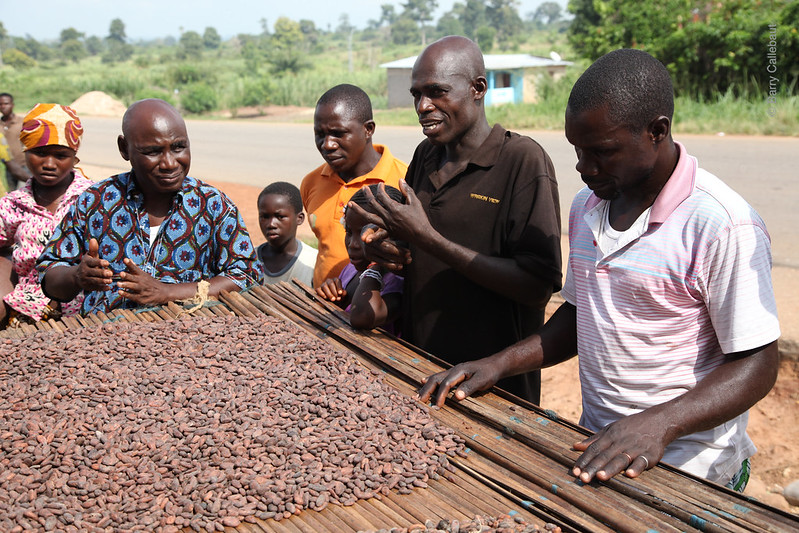
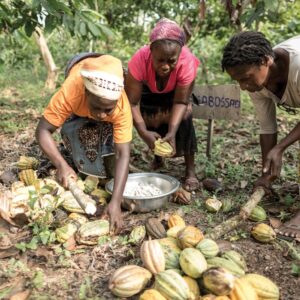
Cocoa Farming in Ivory Coast. Pic: Barry Callebaut
The Ivory Coast-Ghana Cocoa Initiative (CIGCI), set up to drive higher wages for the industry in West Africa, has welcomed the recent Cocoa Value Addition Summit staged in Abuja, Nigeria, writes Neill Barston.
As previously covered by our title, the event host nation’s leader, President Tinubu outlined a clear strategy for raising levels of crop processing in the country, in a bid to retain greater financial gain from the sector, and becoming a globally recognised industry hub.
Presently, farmers in the region only gain somewhere between 5-10% of the value of the $150 billion chocolate market due to entrenched practices of exporting raw cocoa to Europe and the US.
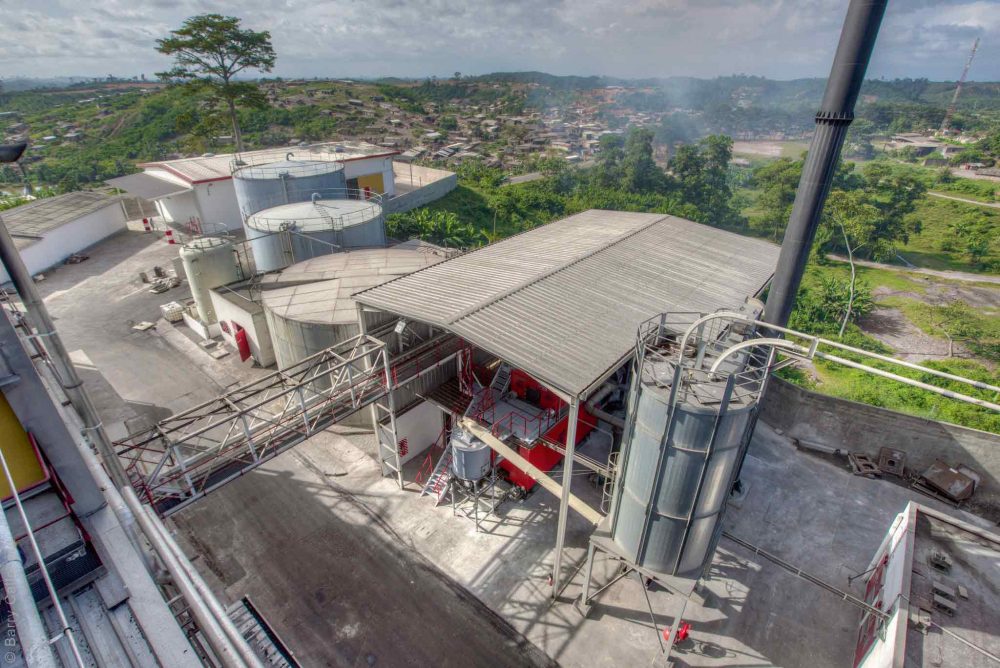
The past decade has seen an increase in cocoa processing in Ghana and Ivory coast, though these have largely been facilities owned by European cocoa processors.
For its part, CIGCI, linked to the governments of both Ivory Coast and Ghana, believed the recent summit in Nigeria built on its initial work outlined last month at its own such event in Abidjan.
As the organisation noted, for that gathering in June, Abidjan, Alassane Ouattara, President of the Republic of Ivory Coast, and John Dramani Mahama, President of the Republic of Ghana, agreed to expand the CIGCI to other cocoa-producing African countries.
In addition, the group reflected, that they also committed to harmonising farmgate pricing policies, enhancing farmer compensation, deepening scientific cooperation in combating cocoa diseases, promoting local processing and value creation, encouraging intra-African trade in cocoa products, and strengthening cooperation with other producing nations on the continent.
One month later, the Abuja Summit fully aligns with this momentum by involving Nigeria and Cameroon in a shared regional agenda aimed at building a more competitive and sustainable African cocoa economy.
As Cigci asserted, the combined cocoa trading power of Ghana, Ivory Coast, Cameroon and Nigeria, amounted to around 75% of the cocoa trade.
The Chief Executive of the Ghana Cocoa Board (COCOBOD), Dr. Ransford Abbey, remarked: “The coming together of Ghana, Côte d’Ivoire, Nigeria and Cameroon is far more than a symbolic gesture. It reflects a shared commitment to transform Africa’s cocoa sector by increasing local processing, creating jobs, protecting our farmers and ensuring that the continent captures a greater share of the value generated from its cocoa resources.”
Furthermore, Director General of Le Conseil du Café-Cacao, Yves Brahima Koné, also felt that there was strong potential in uniting with cocoa growing nations on the continent.
He commented: “Promoting value addition in cocoa reflects a growing determination among African cocoa-producing countries to strengthen regional value chains, expand local processing, and create greater economic opportunities for farmers. Through closer cooperation, Africa can reshape the future of the global cocoa economy,” as the CICGI initiative set its goal as bei
CIGCI strategy
The Ivory Coast-Ghana Cocoa Initiative believes that a continental commitment means repositioning Africa no longer as a mere exporter of raw cocoa beans, but as a global hub for processing, manufacturing, and innovation in the cocoa sector.
As Confectionery Production has previously reported, there have been moves at government level over the past few years relating to increasing processing at origin, which many observers as have hailed as been instrumental, alongside enhancing farming practices overall, for driving the fortunes of the sector.
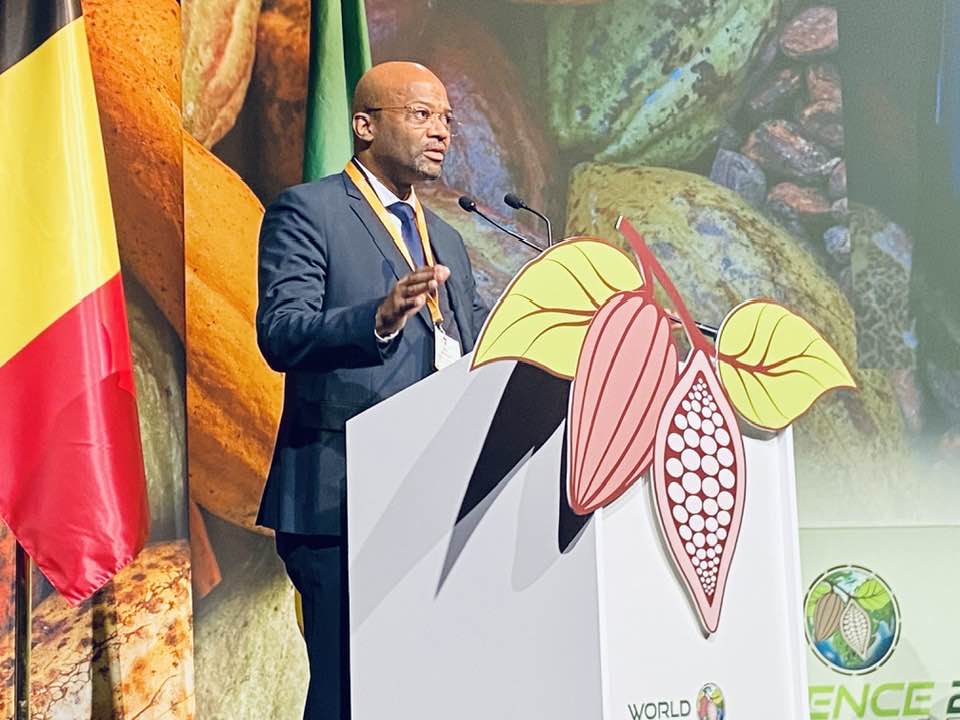
Alex Assanvo presenting at the World Cocoa Conference. Pic: Neill Barston
The Executive Secretary of the Côte d’Ivoire-Ghana Cocoa Initiative, Mr. Alex Assanvo, added: “For five years, the CIGCI has proven that producing countries, acting together, can shape the sector rather than simply absorbing its shocks. With key cocoa nations joining the agenda set by Côte d’Ivoire and Ghana, we are proving something even bigger: that a united and determined Africa can decide its own economic destiny and be heard where its farmers’ prices are set. Our two presidents have done more than consolidate a bilateral success: they have laid the foundation for a coalition that, as a whole, represents 75% of global cocoa production.”
The Initiative is confident that the momentum generated by the Abidjan High-Level Summit will help further strengthen cooperation among African cocoa-producing countries and promote a unified continental approach toward value creation, sustainable industrialization, and improving the livelihoods of millions of cocoa farmers
Topics
chocolate cocoa confectionery exports industry policy Processing value chains
PeopleAlex Assanvo Dr. Ransford Abbey President Tinubu Yves Brahima Koné
Organisations