Fairtrade raises the bar with increased Living income farmer prices

Fairtrade - Cotes d'Ivoire Cacao
An improved level of payment has been confirmed for cocoa farmers in Ivory Coast and Ghana has been confirmed by Fairtrade International, as it has uprated its Living Income Reference Prices, writes Neill Barston.
As Confectionery Production has reported, a crisis in the West African sector, as prices dropped starkly from over $12,000 on futures markets, to less than $3,000 a tonne – which prompted authorities in both producing nations to cut farm gate pay rates by 30% and 60% respectively within the past two months.
This has led to agricultural unions in the region to request that government departments examine the level of cuts – which effectively pushes workers in the cocoa further below poverty line wages.
According to Fairtrade International, the new Living Income reference prices will be enacted from autumn 2026, and have increased for both origins – with the price in Ivory Coast being 1,758 CFA francs per kilo, or $3.11, while in Ghana it is 45.40 cedi per kilo, or $3.95 at the applied exchange rate, which are both notably above present average general payment levels.
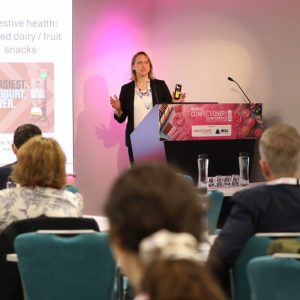
The Fairtrade movement is set to be represented at this year’s World Confectionery Conference, with UK-based Fairtrade Foundation participating in our QandA on sustainability, which will form a centrepiece of our event on 10 September in central London (See our event website for registration or to exhibit on the day).
“The volatility of global prices is one of the reasons it’s so difficult for farmers to plan ahead and make the necessary investments to adopt more sustainable and resilient farming methods that protect their incomes into the future, said Carla Veldhuyzen van Zanten, Senior Advisor of Sustainable Livelihoods at Fairtrade International.
“The new cocoa Living Income Reference Prices reflect the latest data and inputs from all sides of the cocoa industry, so we are confident these prices can take us collectively forward from talk about the importance of living incomes, to concrete action.”
As Fairtrade noted, it last updated these prices in January 2025, which led to an intense dialogue with key cocoa industry stakeholders about the model and figures on which the price calculations were based.
Engaging companies, producers, civil society, research institutes, and advocates, Fairtrade conducted a year-long consultation to evaluate its model and ensure it continues to address real world needs and challenges effectively.
The review process analysed farmer realities and the suitability of the reference prices to support closing the gap to a living income.
“I am pleased to have taken part in the process of determining the new Living Income Reference Price, which I consider to be a robust process,” said Yesson Moussa Yeo, Managing Director of Yeyasso, a Fairtrade cocoa cooperative in Côte d’Ivoire. “It enabled all stakeholders, particularly producers, to express themselves and collectively contribute to shaping the system’s direction. This participatory approach strengthens transparency, reduces disputes, and builds trust across the market.”
He added that the LIRP cannot be disconnected from on-the-ground realities and that factors such as farm size, family labour, the impacts of climate change, and the rate of adoption of good agricultural practices must always be taken into account to define a price that truly reflects the conditions required to earn a decent living from cocoa. “A realistic price only has an impact if it is stable. The stability of this price is essential to enable producers and their organisations to plan and invest over the long term,” he said.
The new reference prices are well above the current regulated farmgate prices, which had dropped dramatically earlier this year at the beginning of the mid-crop. The new Ivorian Living Income Reference Price value is 558 CFA francs (47 percent) higher than the current Ivorian farmgate price of 1,200 CFA francs per kilo. The new Ghanaian Living Income Reference Price is four cedi (10 percent) higher than the current Ghanaian farmgate price of 41.40 cedi.
As Fairtrade noted, Living income is the income needed for a decent standard of living, which includes a nutritious diet, clean water, decent housing, education, health care and other essential needs, plus a little extra for emergencies and savings. Living Income Reference Prices indicate the price a typical farmer household needs to earn a living income share in proportion to their time dedicated to cocoa (from the sales of their crop).
Topics
cocoa Living Income Reference Price supply chains
PeopleOrganisationsFairtrade Foundation Fairtrade International
Regions