Indian innovation for Mars delivers sustainable global mint supplies

Mars has continued a near-decade project in India, Shubh mint, used within its global supplies. Pic: Mars
Significant moves have been made by Mars to improve sustainability credentials of its ingredient sourcing, through introducing natural menthol via its Shubh Mint initiative within India, reports Neill Barston.
As the company confirmed, the venture will serve its European chewing gum supply chain, which will become part of its major manufacturing operations in the UK and Poland.
Notably, its move, delivered in a partnership with implementation specialist, Tanager, comes amid an considerable upturn in both consumer demand for clean label, natural ingredients, as well as regulatory controls within Europe in particular, with the US also showing strong intention to phase out artificial colours among a wide range of confectionery and snacks.
As Mars observed, mint remains of vital importance to many of its product series around the world – though traditional climate vulnerabilities have existed in its supply chain with some 80% of crops being sourced from just one region, Uttar Pradesh, India.
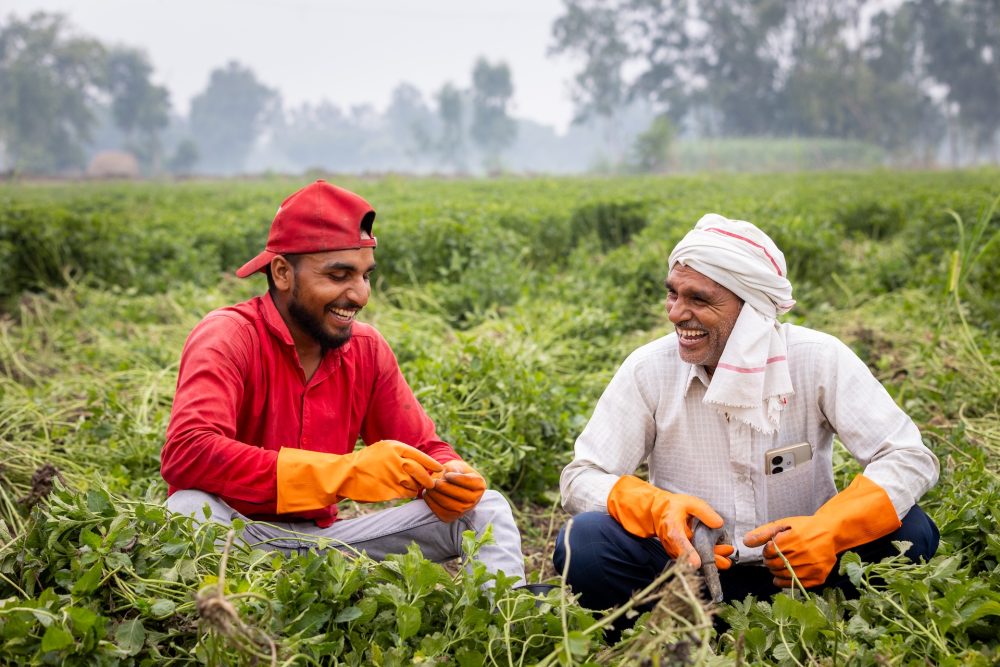
Notably, the near decade of collaborative work has seen tangible benefits to farming communities in the region, including having engaged over 24,000 farmers, who have seen their incomes more than double from mint.
In addition, the company confirmed that its joint-venture programme has trained over 8,500 women in climate smart agricultural practices to support farming as family business. More than 1,000 of the women have established their own independent income generating businesses, ranging from small retail shops to tailoring and dairy farming. More than 4,500 women have also taken part in self-help groups that provide financial literacy and confidence support.
Market revival
Furthermore, as Confectionery Production has previously noted, the market for chewing gum and related novelty ranges has in fact seen a revival, after a damaging few years surrounding the pandemic that saw the segment dip significantly.
Mars Wrigley acknowledged the trend in a previous Sweets & Snacks Expo discussion session, but its president Anton Vincent enthused that the sector was now back on track. This has been reflected by global analysis that has put present international overall sales of $29 billion, set to rise to over $30bn within the next couple of years across the category.
Moreover, as the business noted, while synthetic menthol is readily available and widely used in the industry, Mars chose to invest in the future of natural mint, recognising that building a more resilient agricultural system could deliver long-term benefits for both the business and the thousands of farmers who depend on the crop.
In 2017, Mars launched the Shubh Mint programme in partnership with the Tanager group. This was designed as a long-term initiative, the programme aims to strengthen natural mint production by improving farming practices, increasing resilience to climate change and supporting more sustainable livelihoods across mint-growing communities.

The programme began with a two-year research and pilot phase to better understand the root causes affecting productivity and farmer incomes, which included climate-smart agricultural practices being trialled with farmers. As the firm noted, this enabled peer-to-peer learning, reducing the risks associated with adopting new techniques and building confidence before expanding the programme at scale.
“Before the programme started, many mint farming households were struggling to remain profitable. Through Mars’ investment, farmers now have access to the knowledge, practices and inputs that have significantly improved their profitability. You can really see the difference in how the programme has impacted these mint farming communities,” says Joseph Boulier, Managing Director, Food Systems, Tanager.
The programme was designed around the belief that long-term business growth is built by investing in resilient communities and healthy ecosystems. The success of these demonstration plots created a groundswell of interest. The programme then scaled from a pilot to a full-scale community-wide ecosystem initiative – expanding farmer participation, building supply systems through Farmer Producer Companies, and unlocking opportunities for women via Self-Help Groups.
Meenal Bahirwani, Sustainable Sourcing Lead, Mars Snacking, believed the initiative was having a genuinely positive result for communities.
“The most meaningful impact of Shubh is seeing women who once identified themselves with a thumbprint now proudly signing their own names. That simple change reflects something far greater: confidence, agency and the belief that they can shape their own futures. When women thrive, the impact extends far beyond them, strengthening families, inspiring communities and creating opportunities for the next generation.”
In addition, Mars confirmed that it is now evolving Shubh Mint towards a “full farm” approach, helping support more farmers to achieve a verified living income. By applying climate-smart practices across all crops, rather than mint alone, the programme aims to build year-round profitability, diversify household incomes and strengthen resilience to single-crop risks, creating true economic resilience for families and communities.
“What began as a response to a single, vulnerable ingredient has become a long-term commitment and a replicable blueprint for transforming agricultural systems and empowering communities. The Mars Shubh Mint programme shows how sustainability and business performance go hand in hand. By investing in livelihoods and reducing environmental impact, we can build a more resilient and efficient supply chain”, says Sam de Frates, VP Commercial and Sustainability, Mars Snacking Europe and Central Eurasia, with its teams believing a new standard has been set for achievements within supply chains.
Topics
climate-smart agriculture ingredients mint sourcing supply chains sustainability
PeopleMeenal Bahirwani Sam de Frates
OrganisationsRegions