Exclusive: Barry Callebaut expands on major gourmet diversification plans
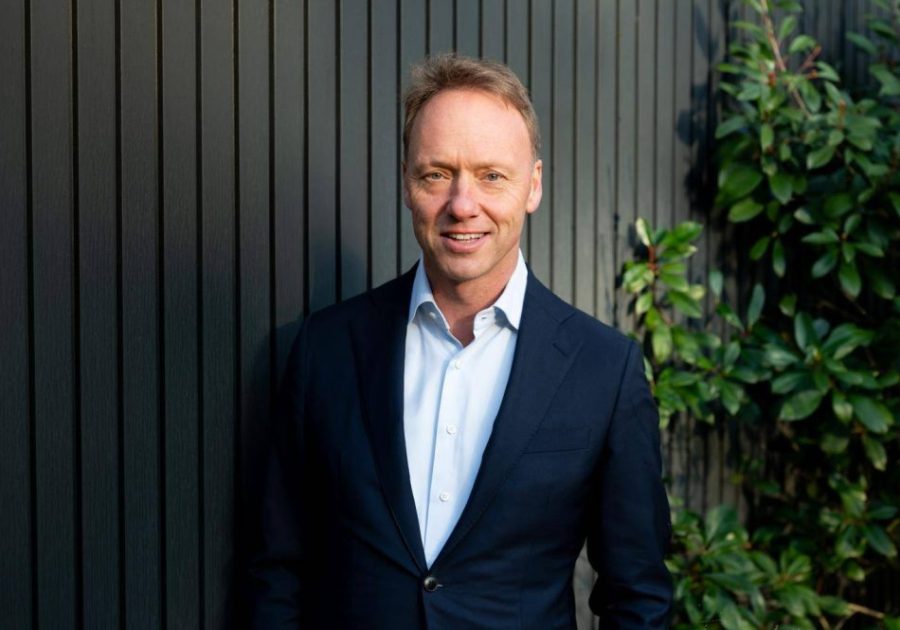
Hein Schumacher took over as CEO at Barry Callebaut at a challenging period for the business. Pic: Barry Callebaut
A core shift in strategy has been expanded upon by Barry Callebaut, as the business pivots to promote its gourmet operations, as it seeks to mitigate significant structural issues facing the global cocoa industry, writes Neill Barston.
As previously reported, the Swiss-headquartered company released its Focus for Growth plans earlier this summer, under the leadership of incoming CEO Hein Schumacher, formerly of Unilever.
Notably, the business had endured a testing six-month period, with sales down some 7.3% to CHF 6.75 billion, though net profits were actually up by €89 million for the period.
Moreover, with the company targeting growth of between 2-4%, it has laid out a key plan based around ten priorities led by an approach favouring its premium business segments, catering for professional chefs and luxury dining sectors.
This strategic reblanacing is reflected in the fact that for the first time, the company’s mix of operations is now weighted more heavily in favour of its additional operations in markets including bakery, inclusions, as well as ice cream, compared to 45% on traditional cocoa and chocolate markets that are at the heart of the company’s foundation.
Speaking at the recent Barclays Consumer Conference in Boston, US, Hein Schumacher, offered a frank assessment of the state of the business, and its aspirations, which he noted had included expanding into areas such as premium fillings and inclusions.
While he acknowledged that ‘customer service levels were too low,’ and product delivery had needed sharpening upon his arrival in the company, he believed that placing the topic under the microscope and evaluating what methods could drive renewed purpose to the business had seen its fortunes turn around during this year.
Range extension
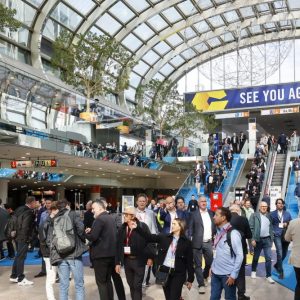
Indeed, as Confectionery Production found speaking to the company at this year’s Sweets & Snacks Expo, it had confidently placed several new lines before the region’s market, which has been delivering encouraging signs for the company.
Schumacher noted that there had also in the past few years been manufacturing issues relating to its core site in Belgium, which happened in 2022, surrounding a salmonella outbreak that saw its profits dip by CHF553 million, as well as more recent issues relating to production locations in Canada and Mexico. Collectively, these had required urgent investment and focus to address, which he was now confident had been delivered as it explores alternative options.
This include having recently struck a deal with Planet A Foods for creating non-cocoa based snacking and ‘chocolate like’ experiences that have helped bolster its overall product mix considerably.
He noted: “We are now focusing much more on what we call providing solutions. So that’s not just chocolate, but also specialties like nut specialties, fillings, caramel fillings, for example, inclusions like you know soft baked inclusions that you would find in ice cream and so forth. So that will lead to margin accretion for us, and it focuses us much more on segments where we can really win. So so priority was number one in focus for growth. Then restoring fundamentals,” adding that there would be a heightened priority on delivering innovation and on expectations surrounding taste and flavour of its overall portfolio.

Barry Callebaut’s venture with Planet A Foods was among its key strategies for the region, as well as Europe, as the firm unveils its latest growth strategy. L-R Dr Max Marquart (Planet A Foods), Laura Bergan, marketing director, Barry Callebaut and Pic: Neill Barston
Furthermore, he also addressed potential investors at the event in asserting that its plan to return the business to greater stability after a period of some turbulence was in order.
He added: “We’ve seen indeed in the in the last couple of years there was quite a bit of attrition. But I think first of all, we created our focus for growth plan. It was a co-creation with people.
“So, there had been many consultants in the company. We said we stopped that, so we we made the plan with 30 people in the company, not my direct reports, but actually a layer below to make sure there was buy-in. We focused our priorities, and we converted those priorities into personal objectives for people. It was something that was new for them, so that people are really clear about what what needs to be done,” noting it would be multi-year journey in navigating its continued challenges, yet he struck an optimistic note on its future fortunes.
Indeed, as previously covered by our title, the business is set to return to ISM in Cologne for the first time in seven years, which is anticipated to prove a significant moment for its re-shaped manufacturing priorities.
Topics
confectionery diversification expansion innovation premium brand strategy
PeopleOrganisationsRegions