Nestlé joins with the Nature Conservancy and Goodwall, promoting regenerative agriculture

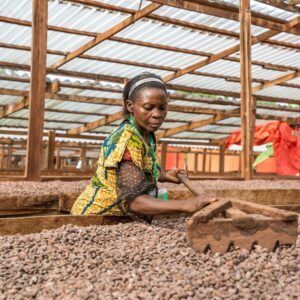
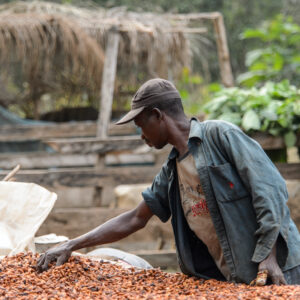
Nestle has partnered with the Nature Conservancy and Goodwall youth platform, promoting regenerative agriculture. Pic: Nestle
A key industry partnership has been confirmed by Nestlé, linking-up with The Nature Conservancy (TNC) and youth learning platform, Goodwall, as it seeks to drive the pace of its regenerative agriculture in sectors including cocoa, writes Neill Barston.
As our title has previously covered, a number of major businesses operating within the confectionery and chocolate sector have adopted policies of promoting advanced farming techniques in a bid to combat the rising climate crisis, as well as boost crop yields in core market segments.
With the cocoa sector in particular experiencing a wide range of environmental challenges including adverse weather conditions, disease impacting harvests and land being stripped for illegal gold mining, the need for firm policy on promoting best practice in agriculture is greater than ever.
Stephanie Hart, Chief Operations Officer of Nestlé, believed its latest industry partnership would have a positive impact on its wider operations, with the schemes gaining their formal launch during the recent World Economic Forum at Davos, Switzerland.
She said “Regenerative agriculture is essential to the long-term resilience of our business and the global food system.
“By combining TNC’s conservation expertise with Goodwall’s ability to mobilize millions of young people, we can accelerate progress and build a more sustainable future for farmers, communities and the planet.”
As the company noted, Nestlé and TNC seek to build on the existing impactful work of the two organisations in co-developing the industry-leading Nestlé Agriculture Framework (pdf, 20Mb), which details specific measures including practices of plating cover crops – providing hugely valuable shade for cocoa trees to ensure consistent harvests, as well as promoting crop diversification around the year.
By working together with TNC, Nestlé aims to refine, expand and accelerate its efforts to support the transition to regenerative agriculture and to encourage more industry stakeholders to join the journey.
Jennifer Morris, CEO of The Nature Conservancy, said: “We are delighted to continue collaborating with Nestlé, a company that shares our commitment for a more resilient food system. Together, we can scale practical, science-based solutions that restore ecosystems, protect biodiversity and strengthen farmer livelihoods.”
Bringing the next generation into the agriculture industry is essential to building more resilient food systems and securing the future of food. To demonstrate how farming can be an attractive, secure career going forward, Nestlé is partnering with Goodwall, a global youth learning platform. Nestlé will help Goodwall build its agriculture curriculum, using gamification to raise young people’s awareness and understanding of regenerative agriculture, equip them with practical skills, and empower them as agripreneurs. Through the Goodwall app, young people will be able to engage with each other to discuss practical solutions to real challenges, test their theories, and improve their ideas based on results.
Taha Bawa, Co-founder and CEO of Goodwall, added: “Young people today want to be part of real solutions. This partnership will open new pathways for them to learn, contribute and lead in the shift toward regenerative agriculture.”
The two initiatives mark a significant step in Nestlé’s broader ambition to make regenerative agriculture the norm across its global sourcing footprint, while building a strong pipeline of next-generation agripreneurs.
Notably, as the company explained, they follow the announcement that Nestlé is also working with the World Farmers’ Organisation to help make food systems more resilient to climate change through advocacy for fair policies and practical solutions, such as regenerative agriculture, that empower farmers and help them adapt to climate change.
Topics
agriculture cocoa confectionery crops farming
PeopleOrganisationsGoodwall nestle The Nature Conservancy
Regions