
Mars, Mondelez and Nestlé leave women farmers behind
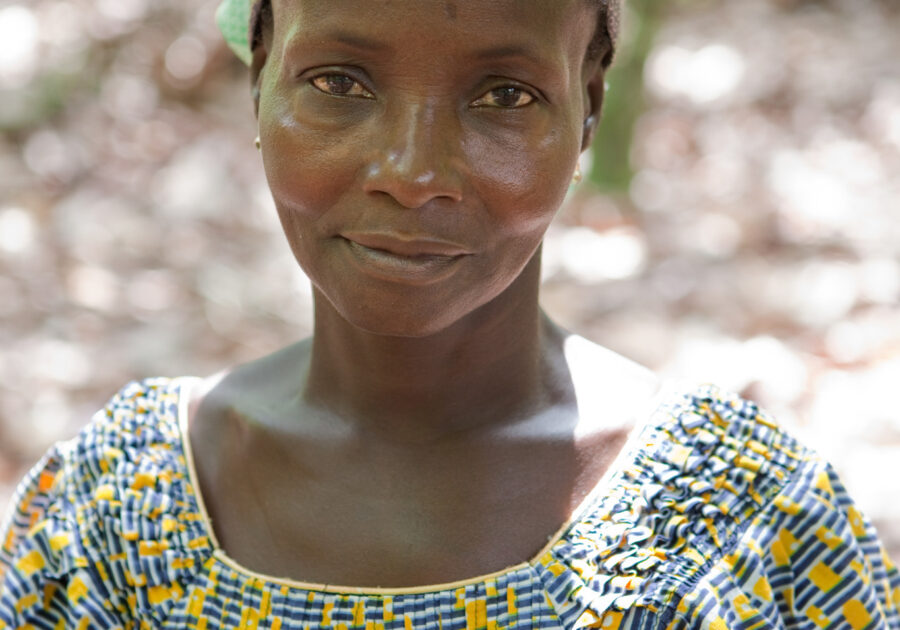
Oxfam has discovered that many women cocoa farmers face discrimination, unequal pay and hunger. The investigation into cocoa supply chains took place in Brazil, Indonesia, Nigeria and Ivory Coast, countries where Mars, Mondelez and Nestl é purchase cocoa, leaving the companies’ social policies exposed as weak and needing work, says international agency Oxfam
Oxfam has campaigned to urge these companies to address gender inequality in their supply chains. Mars, Mondelez, Nestlé control 40% of the chocolate market and purchase one third of all cocoa, which is mostly grown by small farmers in developing countries. Oxfam’s research shows that the companies are doing very little to address poor conditions faced by the women who grow cocoa.
“The women who help produce the chocolate we all love to eat are getting left behind,” says Alison Woodhead, campaign manager for Oxfam’s Behind the Brands campaign. “Mars, Mondelez and Nestlé have the power and responsibility to make a difference for these women. All three companies have said they will do more to make their products more sustainable, now is their chance to keep that promise.”
Woodhead continues, “All three companies have launched major projects to improve cocoa sustainability and have committed to increasing the amount of certified cocoa that they purchase.
“Companies deserve credit for this work. But these efforts are piecemeal at best and women are often an afterthought. For decades companies have put women first in their advertisements, it is time for them to do the same for the women who grow their ingredients.”
Although the companies do not control or employ them directly, Oxfam is calling on Mars, Mondelez and Nestlé to lead an aggressive effort to support and protect the rights of the millions of women worldwide who grow the cocoa essential for their products.
Oxfam has given the companies a long list of specific steps that can meet these goals including increasing trainings for women, promoting female recruitment and leadership of farming cooperatives and requiring suppliers provide a living wage to workers.
“Rooting out gender inequality is among the most important things companies can do improve the quality and sustainability of their products,” says Woodhead. “Companies see farmers choosing other careers or crops and know how difficult it will be to meet the growing demand for cocoa if the situation does not improve. We are showing companies that consumers will reward them for doing the right thing, and will hold them accountable if they don’t.”