Mars faces renewed ‘shrinkflation’ claims following 1990s chocolate bar discovery
pic: Shutterstock
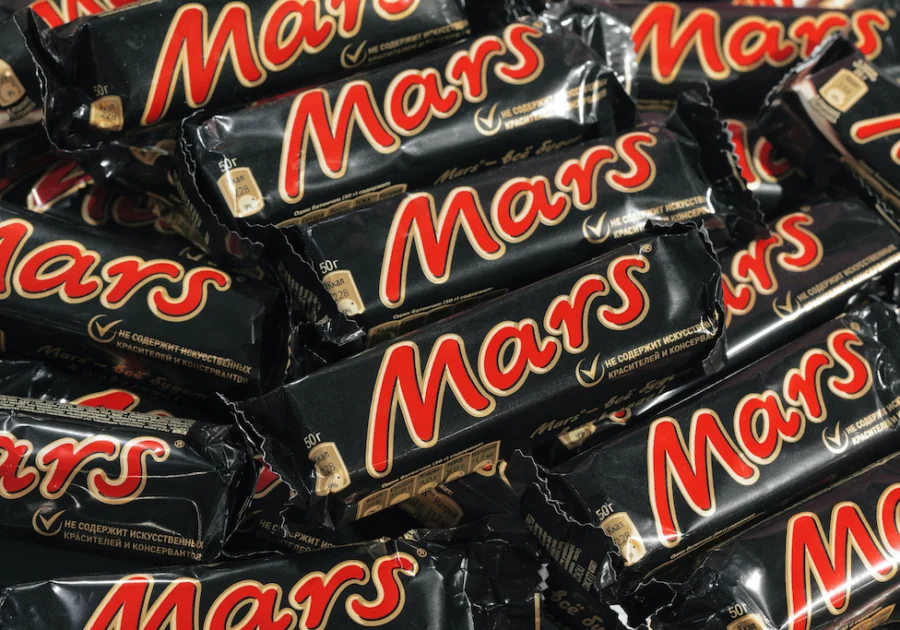
The Mars group has found itself subject to a renewed industry ‘shrinkflation’ debate, after a case in which a UK-based cleaner discovered a 35-year old chocolate bar from the early 1990’s, was visibly far larger than its 2026 counterparts, writes Neill Barston.
According to national media reports, Scunthorpe-based Victoria Gordon was stunned to find the unopened retro Mars Bar, which weighed in at 62g.5g, compared to present day pack sizes of 40g, which are 36% smaller, with less chocolate.
“This Mars Bar stood out to me because as I picked it up, it was nearly the whole length of my hand,” Victoria told the BBC on the case. The US-based company dates back to the 1880s, but has strong UK connections with production from its site in Slough.
Notably, the 1991 bar cost around 30p (which would equate to around 71p in today’s values), against the present retailing price tag of up to over £1.20, highlighting the steep relative increase in price.
Wider industry challenges
The shrinkflation row comes amid major challenges facing the industry, including hikes in cocoa prices, which rose to a high of $12,000 a tonne at the start of last year, before dramatically dropping to around $3,000, before rising to around the $5,000, causing notable market uncertainty.
As Confectionery Production has previously covered, the concept of shrinkflation is far from new within retailing circles, as many manufacturers seek to soak up the cost of increased production. They also cite a supposed demand from consumers for smaller portion options, amid growing concerns surrounding obesity levels.
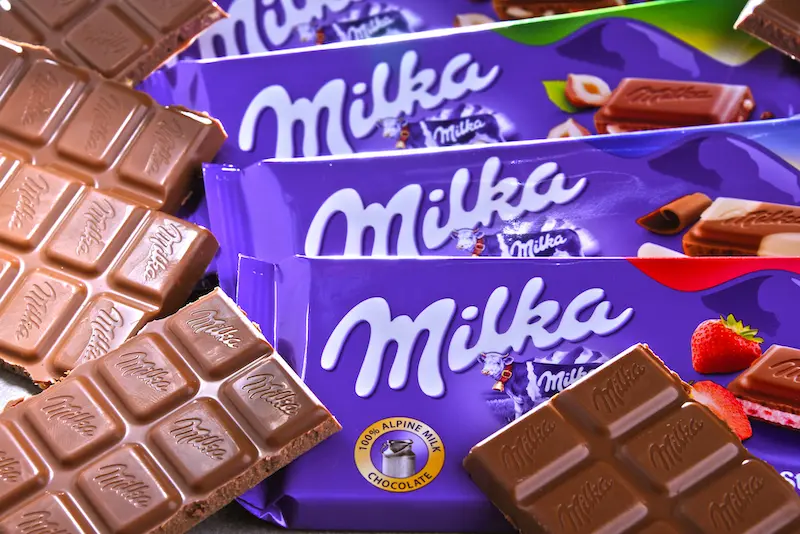
Notably, another major chocolate business, Mondelez, recently found itself on the wrong end of a shrinkflation case concerning its key Milka chocolate brand. This saw a regional German court find against the business after claims were brought against it that it had failed to adequately inform customers that it had notably reduced the size of its popular bars.
In related matters, this Spring, Hershey received a wave of negative publicity following a decision to use alternative ingredient sources in some of its new Reese’s lines, which prompted a key consumer backlash, and a swift u-turn from the business in stating that it would revive original recipes and focus on delivering more chocolate in its series from next year.
Significantly, the latest Mars bar story emerges just a year after the company also found itself in the spotlight, as the business faced similar claims in reducing its size by over 20% – and by nearly 10g from 51, to 40g, which prompted notable concerns from consumers, who were quick to respond on social media.
There had been notable reaction to the fact that the previous 75p price tag at the start of 2025, was retained by the company with its smaller size bars, Wholesalers had expressed notable concern, as the profit margin they were paid as stockists was reportedly also unchanged.
The company responded that “Over the last 35 years we have made a number of updates to our bar sizes and pack formats that reflect consumer demand, alongside considering wider external factors such as manufacturing costs and the price of cocoa.”