Exclusive: Cargill’s UK cocoa processing thrives amid growing demand
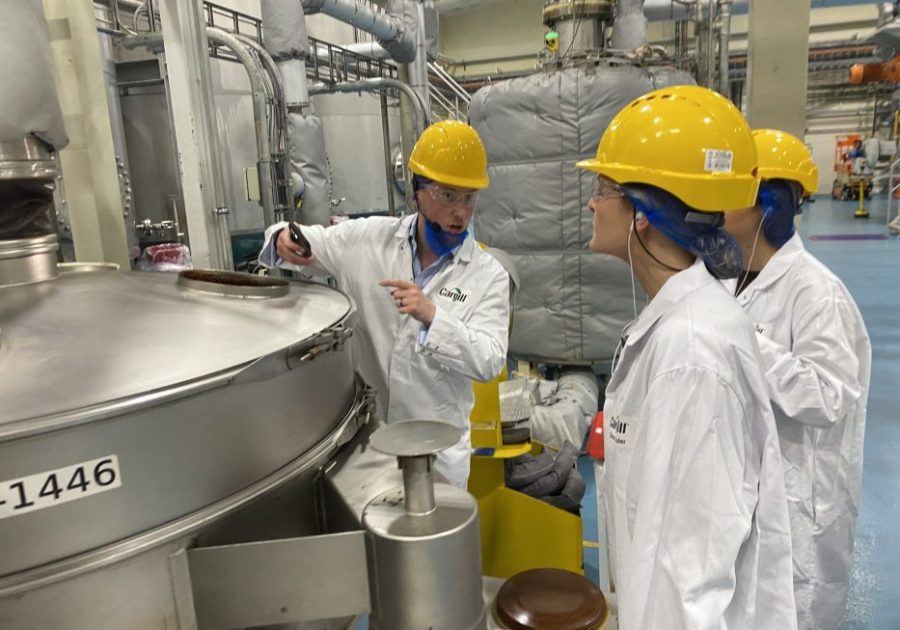
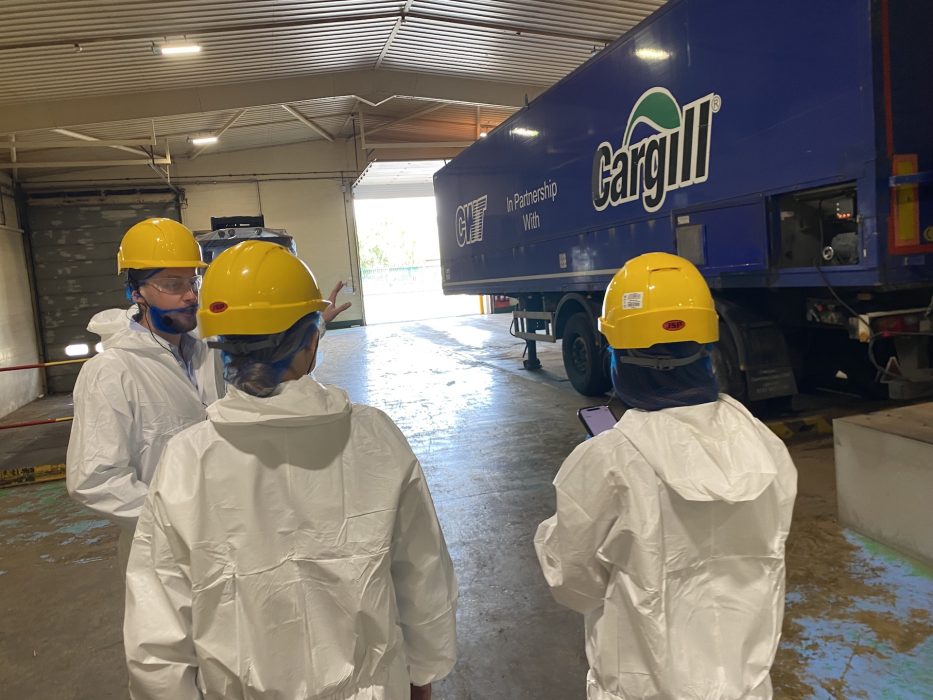
Sam Thompson, plant director at Cargill's York facilities leads at tour of the site, with the company speaking at our World Confectionery Conference 2026 event next month. Pics: Neill Barston
With our World Confectionery Conference around the corner, editor Neill Barston visits Cargill’s cocoa processing facilities in York, as the business prepares to play its part as a keynote speaker at our 2026 event.
As outdoor temperatures swelter in the mid 30s at near record levels for the UK, stepping int Cargill’s cocoa processing facilities delivers a whole other level of heat.
When in full white coat gear and hard hat, it can feel notably warm, so it’s a testament to the company’s small but dedicated teams operating the site that they take this fully in their stride. (See our exclusive behind the scenes video below)
Indeed, there’s a reassuring sense of calm around the York site, which is now
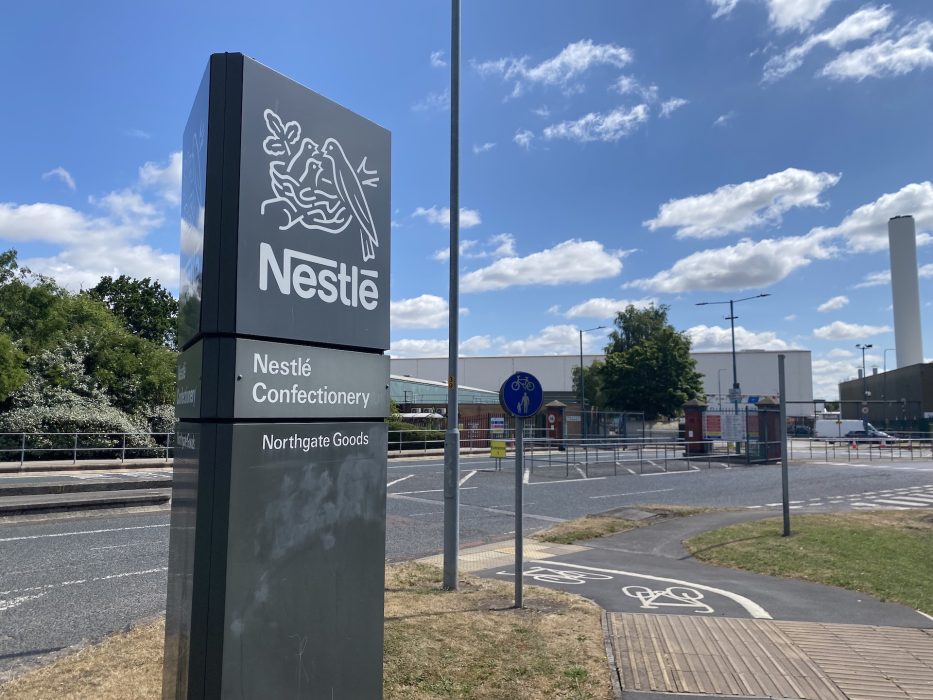
operating under Cargill’s banner past its 20th year, having acquired the distinctive 5,000 square metre location from site neighbours Nestlé back in 2004.
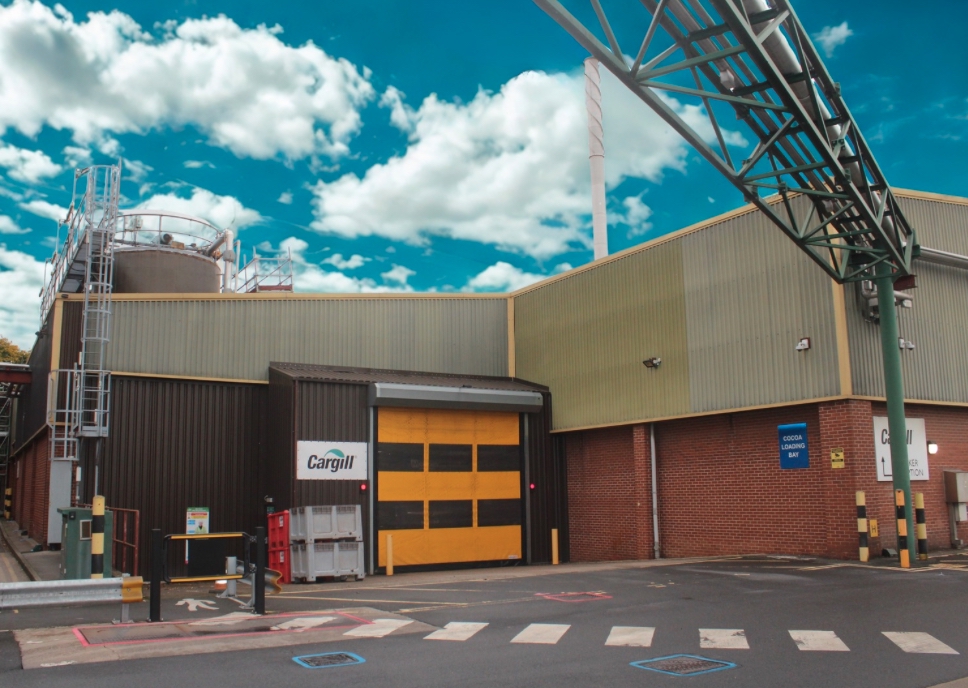
The move was significant for the global agri-business, as it was among developments that would complete its expansion into the chocolate sector, including the purchase of sector assets from Archer Daniels Midland
in 2014 for a reported $440 million.
This coupled along with major investment into its Belgian location at Mouscron, which has gone on to inspire a fresh generation of chocolatiers and chefs with its recently created House of Chocolate, and its journey in the segment is helping raise the overall bar of attainment.
The business is set to play a strong role in our World Confectionery Conference, with Renee Boerefijn, senior director for ingredients research and development, offering a keynote presentation at our event on 10th September (see our video with him below), and you can also register for this year’s major industry gathering which features keynotes from Ferrero, Cargill, Caobisco and Euromonitor International insights group at our website, confectioneryconference.com via the following direct link.
But as for its move to York, there’s a good deal of commercial and creative reasoning behind making that decision, given the city’s strong connections to the confectionery trade.
Indeed, the bustling county capital remains known as the UK’s capital of
chocolate, with its roots dating back to the 18th century, with the emergence of Rowntree Quaker dynasty took over an earlier business of Mary Tuke to form one of Britain’s most distinctive brand that exists to this day, now under the banner of Nestlé ownership.

York, evening cityscape view from the street with York Minster in the background.England,United Kingdom,Europe
Notably, it is far from the only major confectionery link in the city, including Terry’s chocolate, which also dates from a similar period and also left its mark on the area, as its confectionery scene continues to thrive with independent firms such as Monk Bar Chocolatiers, Choc Affair, and York Cocoa Works, whose founder Sophie Jewett has played an integral role in setting up a popular chocolate festival.
Part of the process
As for 21st century processing operations for Cargill in Yorkshire, they are a world away from what those pioneering chocolatiers of some 200 years ago would contemplate, especially given the vastly increased production as against their predecessors admittedly commendable achievements.
Underlining its commitment to the region, the business has reportedly spent
some £20 million on investment for upgrades into its operations in the UK
across chocolate and cocoa processing in the past eight years alone.
Much like in generations past, cocoa enters the UK from Liverpool port, with
many of its supplies hailing from Ghana and Ivory Coast, which account for just over 60 percent of the global chain.
Some of its supplies that are sent to York for processing, also then end up at another of its British sites, at Worksop, which the business has operated for more than two decades, using a 25,000 to 30,000 tonne line, producing bulk liquid form milk chocolate for the confectionery, biscuit and snacking sectors across the region, offering it a strong degree of flexibility in its production.
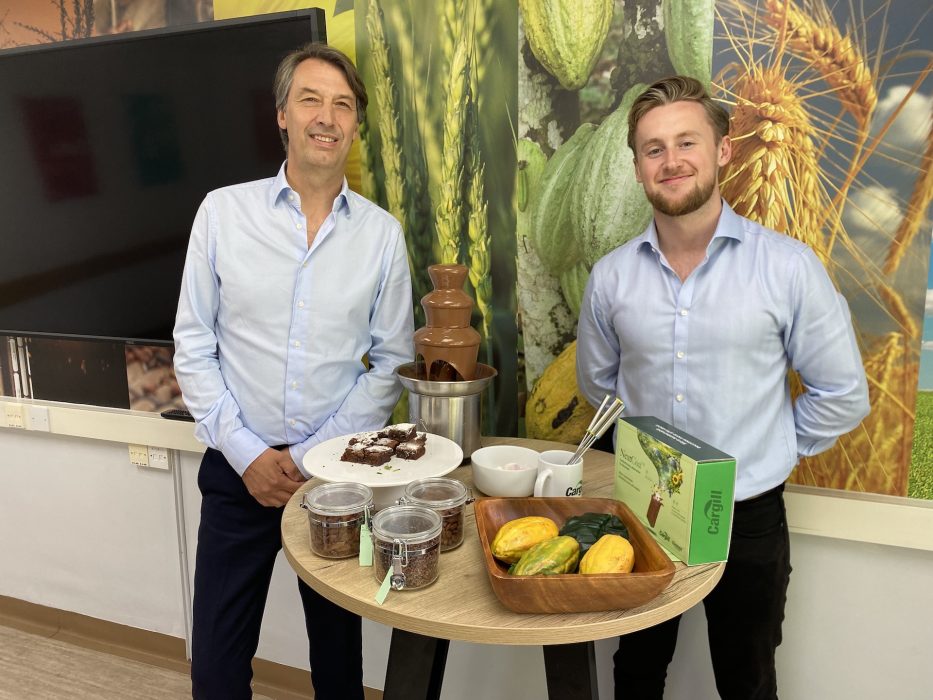
As Emiel van Dijk (left of pic alongside Sam Thompson, right), senior vice president and managing director for cocoa and chocolate, explains leading the day, while finished chocolate products are not in fact made in York, the vital pre-stages of the process are very much at its heart.
During an introduction to its history in the region, he explains that the business
continues to be performing strongly, despite supply chain volatility, which has seen cocoa prices skyrocket to around $12,000 a tonne last year, before reducing to around $5,000 this summer, which is sounding a note of clear caution for the wider industry.
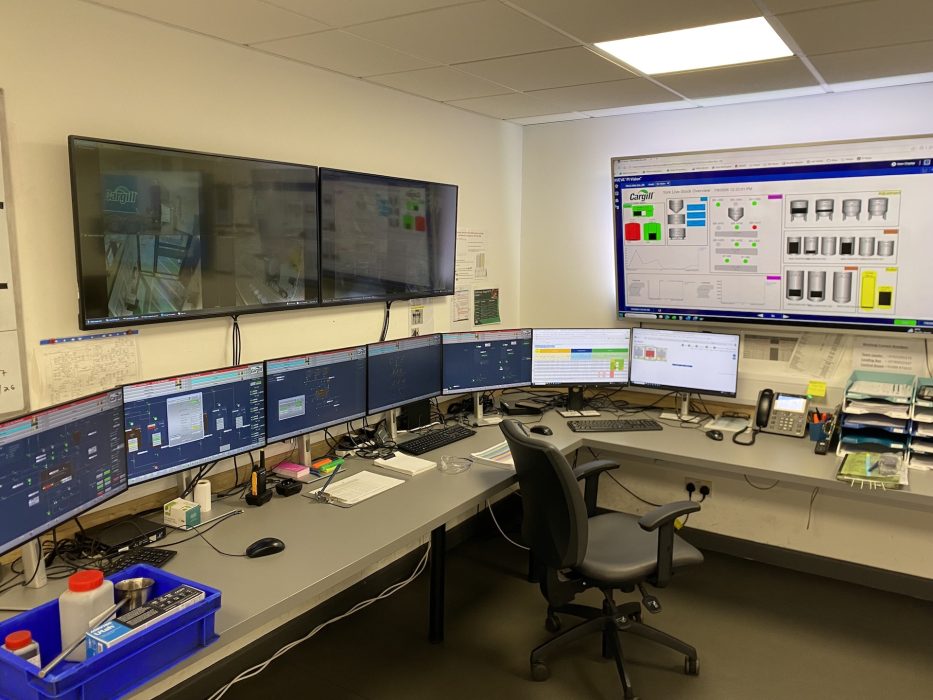
Significantly, Cargill’s York facility was acquired as a fully operational site just over 20 years ago, and includes core enhancements such as its digitally-focused control and monitoring room that stands as a vital cog in its day-to-day operations.
After suiting up in hard-hats for the experience, this high-tech spot forms our
starting-point for the tour, which includes observing its varying stages of cleaning an processing of the incoming fresh supplies of cocoa beans.
Furthermore, as plant director Sam Thompson explains, within this densely-
packed facility, its high level of automation enables the company’s dedicated team to deliver its ambitious processing targets.
This typically includes working pattern of two or three operators per 12 hour shift, plus three technicians managing the location.
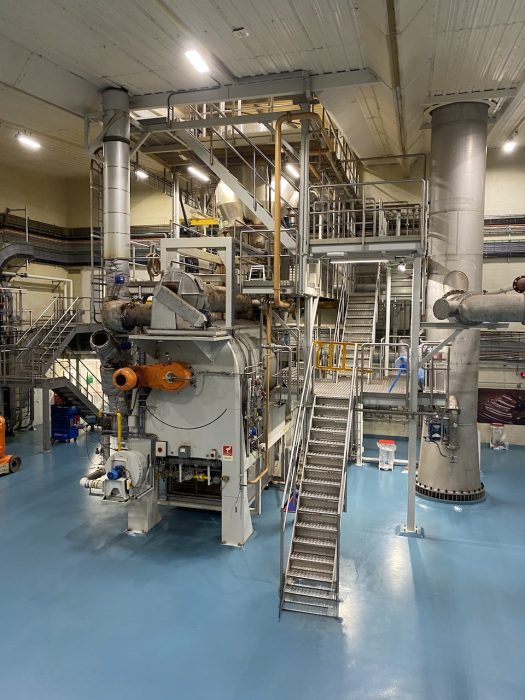
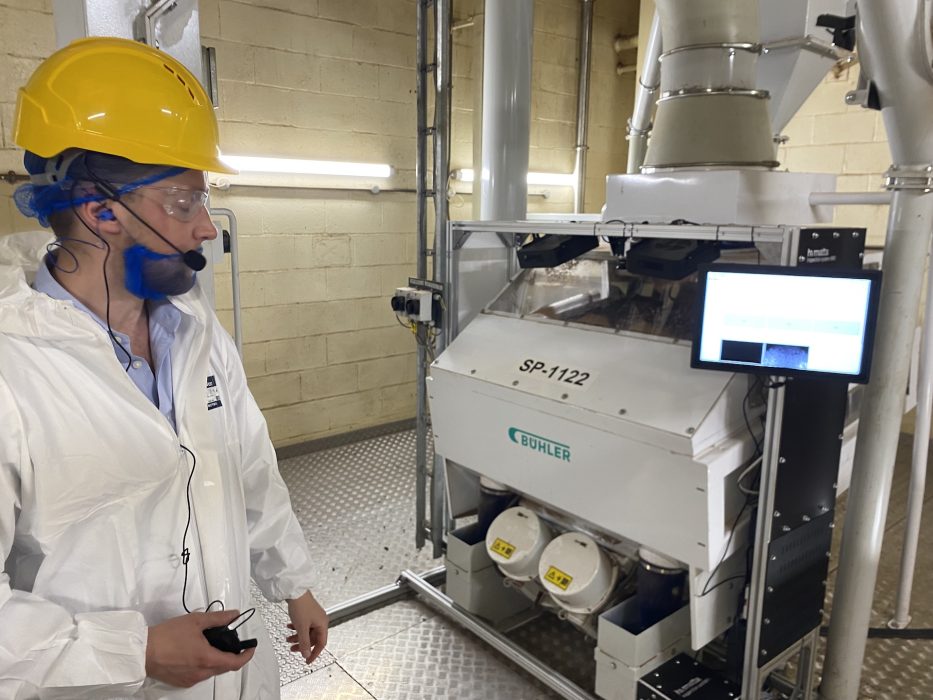
Exploring the site, it is clearly divided into two core components, one relating to processing functions, involving cleaning and separating cocoa nibs (which are the small pieces of crushed cacaco) from their respective shells.
Crucially, the next phase involves taking those nibs to then be roasted to unlock their flavour profiles – which is an especially critical element of its operations.
As the location’s plant manager further explains leading the tour that the second area of the facility is devoted to the nib to liquor process, which takes the cocoa nib, roasts it to develop the flavour and meet key temperature point. Completing the set production cycle, the cocoa is then ground into a fine liquor using three stages of mills.
Technology investment
Moreover, as we have previously covered in our title, manufacturers have increasingly turned to advanced technology as a prime driver of innovation in the sector within recent years.
Notably, this extends to the use of AI – which has continued to make a big
impact in 2026.
“There’s a high level of automation used from start to finish in the entire process, and we’ve also built in AI cameras that scan for any foreign material in our bean cleaning department for example and signals to the operator to make a change.
“We also have AI capabilities in our winnowing (nib and shell separation by
aspiration) process to ensure the highest product quality,” explains the site manager, of the company’s impressive cocoa processing operation.
As he discusses, it forms a valuable link in its overall supply chain for the region, and as with any other major chocolate business, the ever-shifting demands upon its manufacturing means there’s no room for complacency in its continuous development.
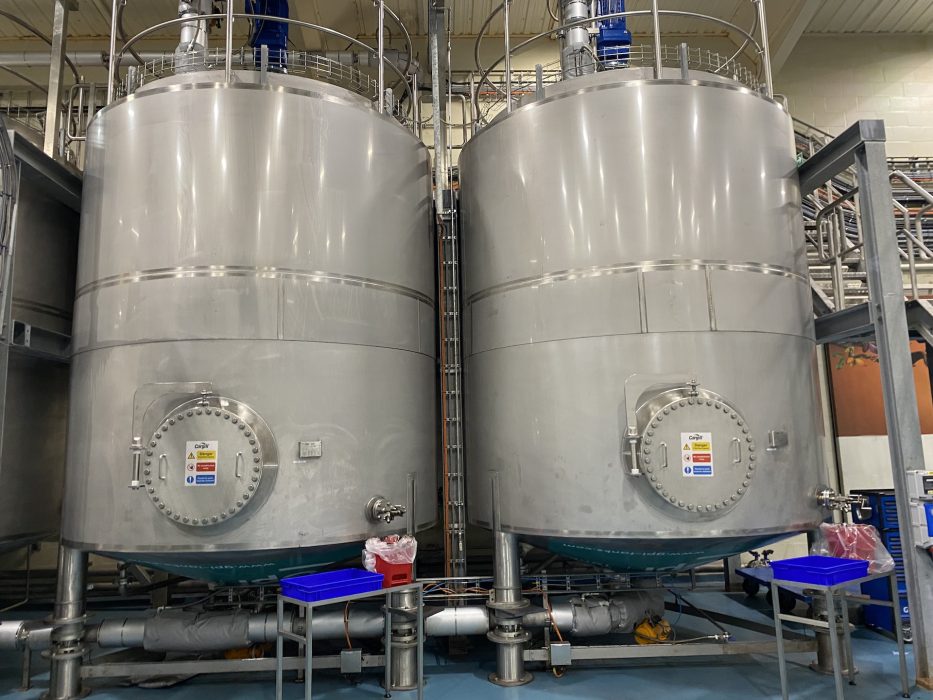
In addition, as Sam Thompson observes, the level of investment continuing to be made in York and its sister facilities demonstrates the significance of the region to the company’s overall capabilities in the sector.
He notes: “The level of technology that we’ve brought into the to the plant, and the high levels of equipment that are here are learned from our 40-50 years of cocoa knowledge.
“We have leveraged that all into our leading practices and the best technology that we can possibly install, so that we can truly have the state-of-the-art facility with the highest level of automation within the business.
“So, there’s a continual process of innovation, so we can create better products
for our customers in the most efficient way possible,” adding that his own journey through the business has been particularly enjoyable.
Having had the benefit of experiencing different divisions of Cargill, he feels that playing a role within its cocoa operations offers plenty of rewards, as well as tests that help keep him and the company’s close-knit team on their collective toes.
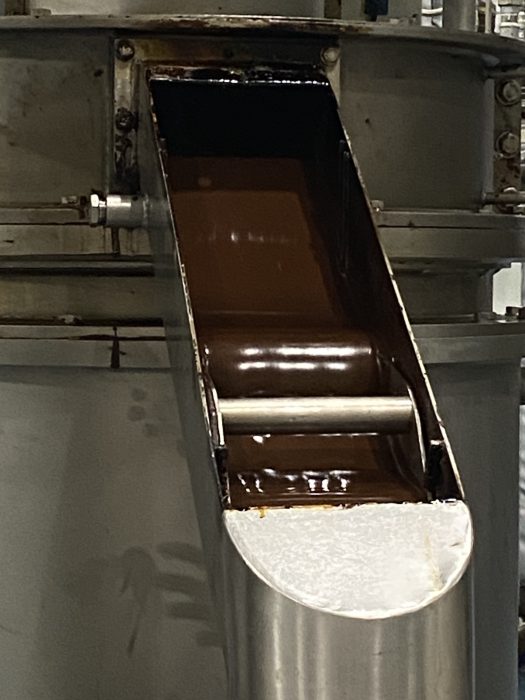
“Making cocoa and chocolate is an absolute joy. It smells great, right? And the
taste is also amazing. It’s something that is tangible, and you can take from a tank and try it yourself. But running the factories and knowing that all of the things when you see people taking a snack, they’re having their Easter eggs, they’re having their Valentine’s Day chocolate boxes. You know that you’ve played a role in that, in creating indulgent delights for the UK market, is
pretty special. And also, leading a team of motivated people to create that high quality products is very rewarding.
Leading chocolate and cocoa operations
For his part, Emiel van Dijk explains that it has similarly been an extremely engaging experience involved with the overall strategic development for its cocoa and chocolate business.
The Netherlands-based business leader has experienced many strands of its
operations including extensive experience within managing its oils segment, which has taken him around the world.
As he acknowledges, the past three years in his present role leading its cocoa and chocolate operations have certainly seen major challenges emerge in the sector, which in turn are presenting reformulation and innovation opportunities for the company.
In terms of the UK’s contribution, he’s keenly aware of York’s significance: “We
operate as a global, but from a regional perspective, York is a stronghold in in the UK, serving the UK market in combination with Worksop.
“We’ve been here for a while now, and while it may not look new from the outside, from the inside it is like a brand new factory, and that’s also our commitment to the UK market. With Nestlé being here on site, we
have a strong connection with them here, but also on other locations as well, so they are an important customer from that perspective,” he adds of its near neighbours, who continue to occupy large chocolate manufacturing facilities in adjacent buildings, including the company’s flagship KitKat series.
As he reflects, there are indeed numerous tests on the horizon for the cocoa business in particular, yet Cargill is far from flinching from these, as it moves to both strengthen its conventional supply chains for the key ingredient, as well as turning to developing alternatives such as its NextCoa ingredient, devised as a cocoa alternative for confectionery lines.
On a personal level, he believes that while there will be space in the market for such solutions, he also asserts that demand still remains for its core traditional cocoa supplies that are the bedrock of the segment.
So, just how well is the business responding to the varying challenges before it in his view?
“I think we will meet future demand in two ways. West Africa will remain a super
important part of the global supply chain, and we are deeply committed to that. We’re also having our plants in that location, like in Ghana and in Ivory Coast.
“At the same time, people and the market and we ourselves are looking also at
diversification and. we have seen Ecuador emerging over the over the recent years, and we are also exploring that.
“So, we are investing in a state of the art sourcing operation there in Ecuador, and that is part of it, as could other locations like Brazil and Africa, while continuing to support farmers in Africa,” noting that supporting those
agricultural workers in Ghana and Ivory Coast will be of pivotal importance for the industry as it continues to evolve.
- For an extended version of this feature, see our September edition of Confectionery Production magazine, which is our preview edition for the World Confectionery Conference. Register for the event at confectioneryconference.com