Ferrero drives Malaysian biodiversity venture within palm oil sectors
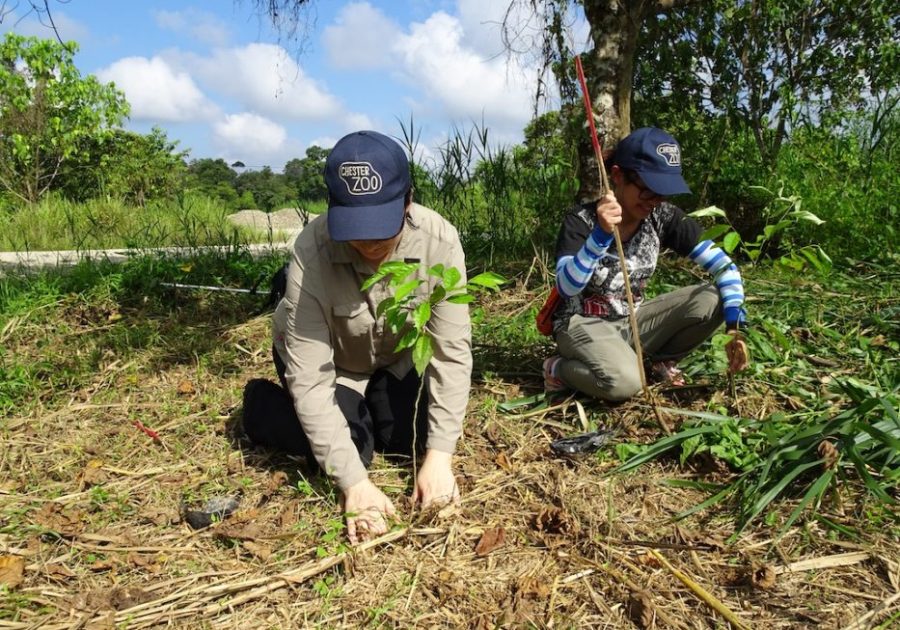
Chester Zoo and HUTAN team members plant saplings in Malaysian Borneo, restoring vital rainforest habitat.
Ferrero has unveiled an key biodiversity project with conservation group, Hutan, and Chester Zoo, supporting biodiversity research at the Kinabatangan UNESCO Biosphere Reserve in Sabah, Malaysian Borneo, reports Neill Barston.
As the confectionery group noted, the venture, which was put forward marking the recent World Rainforest Day, aims to monitor native wildlife, with the aim of exploring how agricultural landscapes within supply chains including palm oil can co-exist with wider ecosystems.
The three-year project is led by Hutan, a community led conservation organisation working in the region since 1998, scientists have launched an innovative study combining cutting-edge methods, including thermal drones, bioacoustics recorders and camera traps to monitor several iconic species such as the Bornean elephant and orangutans as well as key indicator species that act as a barometer of overall ecosystem health, including soil invertebrates, birds and frogs.
As Ferrero, which has worked with Chester Zoo for the past six years, noted, through deploying these monitoring technologies, the collaborative partners aim to build a clearer picture of how the wider landscape is functioning and identify where conservation efforts can have the greatest impact. The monitoring takes place in a mosaic landscape that blends agricultural land supporting local communities with patches of native forest rich in biodiversity and wildlife.
In the first year of the research programme, researchers deployed 30 camera traps and confirmed 15 key species including Bornean orangutans and Bornean elephants are using a corridor linking two fragments of forest. The team also trialled the use of thermal drones flying above the forest canopy after dark to identify orangutans directly.
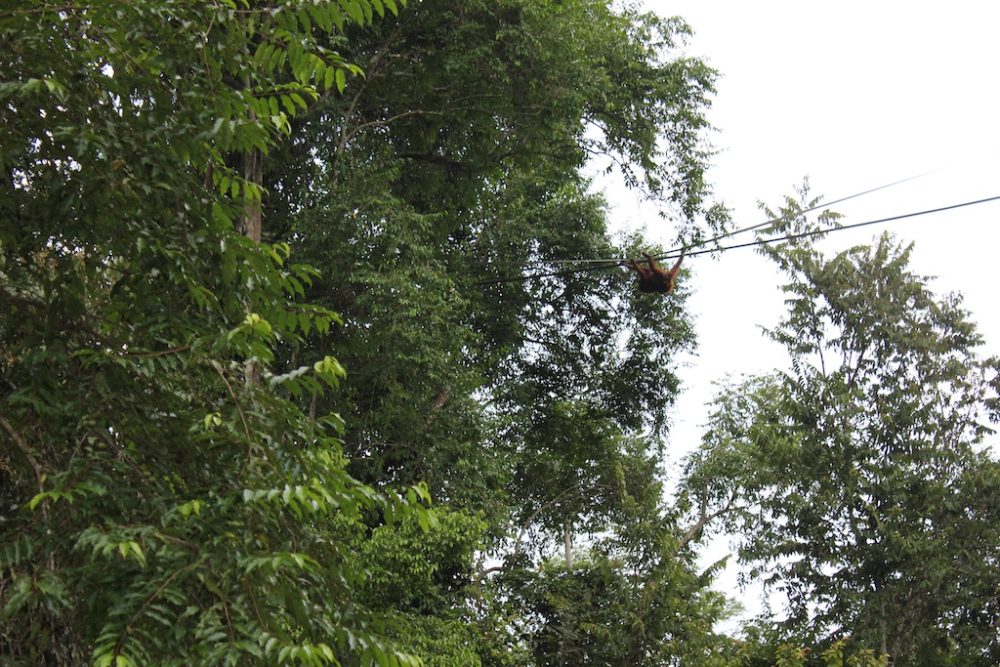
The data collected will enable conservationists to inform and refine biodiversity and ecosystem management across the Kinabatangan Biosphere Reserve. This includes evaluating how animals respond to existing landscape management strategies like wildlife corridors, orangutan bridges and buffer zones. Results will also be discussed and presented to local stakeholders, including palm oil plantation managers, to develop management practices that take wildlife needs and movement patterns into account.
“Ferrero’s approach to sustainable palm oil has never been only about what we source. It is about the landscapes where palm oil is grown, the communities who depend on them, and the wildlife they support.
“Our long-standing partnership with Chester Zoo has been central to that approach, from raising public awareness about the importance of sustainable palm oil through to supporting the education team to deliver teaching materials to inspire and inform the next generation on this vital topic.
“The Biodiversity Research Forest programme is the next step in our work together, generating research that can help inform how palm oil landscapes are managed, with the view to hopefully help drive wider landscape transformation beyond our own sourcing regions. Long-term strategic partnerships with experts are what allow us to go beyond our own supply chain and help contribute to the wider industry,” said Paola Nogales, Responsible Sourcing Manager, Ferrero.
As the business noted, the programme marks the next phase of Ferrero UK and Chester Zoo’s long-term partnership to support sustainable palm oil, spanning conservation, education and consumer awareness.
Generating positive insights
With the launch of the Biodiversity Research Forest, the partnership moves into active field monitoring and applied research, reflecting Ferrero’s broader sustainability approach. This recognises that responsibility extends beyond the supply chain, with the programme generating insights that benefit both the landscapes and communities involved, as well as the wider palm oil industry.
Kirsten Pullen, Chief Conservation Officer and Deputy CEO, Chester Zoo, onted that the site was proud to have initiated the venture.
She said: “Palm oil is often misunderstood, but when it is sourced sustainably, it can be a highly efficient crop with an important role to play. The challenge is ensuring it is produced in a way that protects nature and supports communities. Effective wildlife management in landscapes like the Kinabatangan depends on long term collaboration between conservation organisations, researchers and industry. Our partnership with Ferrero UK reflects exactly that.
“Through the Biodiversity Research Forest, we are generating vital new insights into how wildlife is using these complex landscapes and how they can be better managed. This kind of robust, on-the-ground science is essential to improving conservation outcomes.”