El Niño weather concerns and global trade disruption impact Ivory Coast cocoa

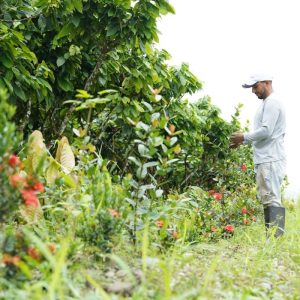
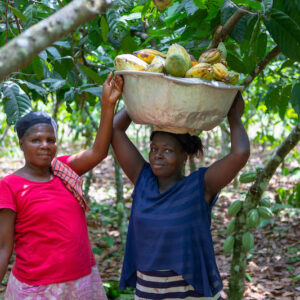
Cocoa farming in Ghana and Ivory Coast remains a key industry (pic, ICAM)
Adverse weather conditions, wider market disruption and an influx of Malian refugees are reported to have caused notable additional turbulence for Ivory Coast’s cocoa production, writes Neill Barston.
Significantly, the ICCO cocoa organisation has warned of the threat of El Niño monsoon rains, which have traditionally been unpredictable in how they have impacted regions, but could be particularly devastating to crop harvests if extreme rainfall persists for a period of months. This is anticipated to hit across Africa and Asia between this month and December.
More immediately on the horizon, according to reports from sector analyst Sean Hagarty, of Region Alert, torrential rain has affected the southern coast of Ivory Coast, with Bingerville, recording 139mm in 24 hours on June 4, disrupting access to the major hub port of capital city Abidjan.
Consequently, forward sales of 2026-2027 cocoa crops (which remain the largest single nation serving the confectionery trade), are reported to have slowed, with international cocoa benchmark markets opening at $4,009.85/tonne in the final days of last month, closing at $3,851.23/tonne at the weekend. This is still significantly lower than the elevated prices of $12,000 a tonne seen at the start of 2025 that had caused a significant crisis for the sector in the region.
As Hagarty noted, buyers must navigate localized price premiums, such as the 1,500 FCFA/kg reported in Soubré, while monitoring the northern border following a massive influx of Malian refugees into Tengrela.
In other related developments, the District of Abidjan is reported to have launched massive eviction and demolition operations in the Vridi 3 neighborhood near the port, displacing thousands and complicating labour availability for port-adjacent operations. In the western cocoa belt, transit corridors suffered major disruptions.
Moreover, local reports also cited a collision on the Cavally bridge between Mahapleu and Danané on June 5 that killed six people, paralyzing a critical route, adding further to logistics concerns. Earlier in the week, a truck accident blocked the Pohizra bridge on the Daloa-Vavoua-Zuénoula axis that further compounded the situation.
These physical barriers are severely delaying the evacuation of beans just as high humidity closes drying windows, increasing the risk of mold formation. This reportedly prompted the Conseil du Café-Cacao (CCC), which controls cocoa production in the nation to note impacted sales, amid El Niño production risks that have delivered further market caution.
Topics
agriculture cocoa commodities El Nino export production stock markets trade disruption weather
PeopleOrganisationsRegions