British inflation figures show chocolate sees second-highest category price rise year-on-year
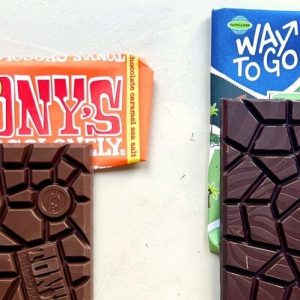
Will choosing treats digitally with AI take hold, or will conventional shopping still remain key in years ahead? Pic: Tony's Chocolonely
Latest retail figures for the UK have revealed that chocolate prices were the second-highest hit during the summer months, up 17% year-on-year, with only coffee being marginally ahead in terms of cost hikes, reports Neill Barston.
The situation for confectionery, particularly chocolate, has been compounded by a combination of factors including poor crop yields for disease-impacted cocoa pushing up prices globally, as well as negatively affected logistics supply chains, as well as the industry suffering a lack of long-term investment that has further impacted on the sector.
These array of issues, which have especially affected key growing locations of Ghana and Ivory Coast, have seen a knock-on to the retail, with conditions in Britain being further significantly impacted by import/export challenges relating to the ongoing affects of Brexit having increased export costs by 20% during the past five years. as well as significantly added to administrative and regulatory burdens.
According to the UK’s Food and Drink Federation (FDF), inflation rates for the past year were 4.9% in July 2025, up from 4.5% year-on-year in the 12 months to June. This is the highest recorded rate since February 2024.
The organisation confirmed that production costs rose by an average of 4.5% over a year to March 2025.
Over a fifth (22%) of food and drink manufacturers having seen costs increase by 10% or more (FDF Q1 State of Industry report), which has caused considerable concern within the industry, as well as also negatively affecting consumer confidence, as household budgets remain strained.
Jim Bligh, Director of Corporate Affairs and Packaging, The Food and Drink Federation (FDF), commented: “These figures show that food and drink manufacturers are being squeezed on all sides. Energy prices remain high, and the cost of some key ingredients has surged in recent years. Cocoa prices are at a 45-year high, and both olive oil and butter prices have doubled since 2020.
“With high commodity prices, the new £1.4 billion packaging tax, and increased National Insurance costs, it’s no surprise that many food and drink manufacturers have seen their costs increase by 10% or more this year.
“Manufacturers have absorbed as many of these costs as possible, but consumers will still see higher prices at the till. We expect that high food and drink inflation will persist through the year, so any fresh costs for businesses in the Autumn Budget will inevitably put yet more pressure on shoppers’ pockets.”
Topics
chocolate cocoa confectionery production inflation policy retail financial results supply chains
OrganisationsRegions