Fairtrade’s annual report backs cocoa communities including living wage plans
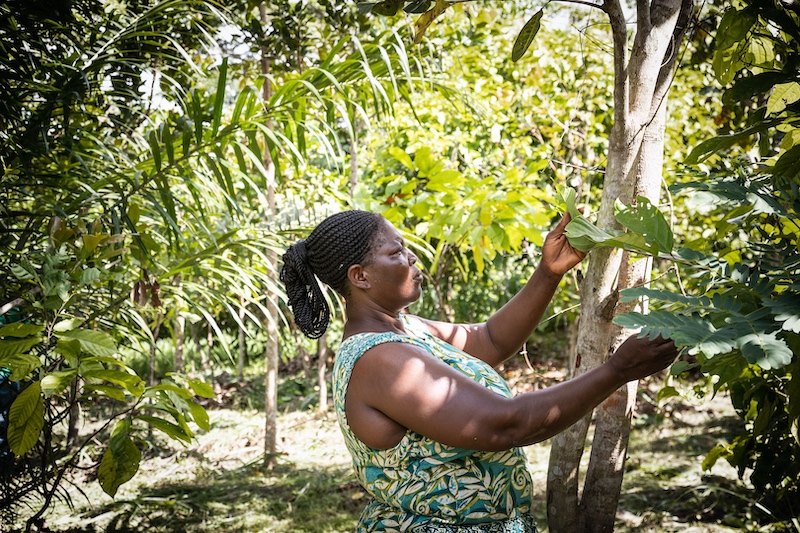
pic: Fairtrade
Significant steps to “shift the balance of power to farmers and workers” have been highlighted by Fairtrade International in its latest Annual Report, which has placed a core spotlight on delivering for agricultural communities, reports Neill Barston.
The review, which covers 2024, came during its General Assembly week, explores its commitment to distributing the benefits of trade more equally between farmers, workers, and businesses, with cocoa, palm and soy agricultural employees part of core confectionery supply chains all part of its areas of focus.
As the social justice movement, which will be represented at our World Confectionery Conference in Brussels this September with its sister organisation Fairtrade Foundation, “Adapting and innovating for a fairer future,” showcased the organisation’s progress towards its impact last year despite uncertain economic conditions, climate change, geopolitical risks, and an expanding regulatory landscape.
While the organisation separately publishes information on certified organisations, sales, and other product details in its monitoring reports, the annual report focuses on aspects of the organisation’s work beyond certification-related data.
Moreover, as the global body noted, in 2024, 58 projects were active across the group’s system, which includes 25 local Fairtrade organisations and three producer organisations representing almost 1.9 million farmers and workers.
In addition, it updated four of its Minimum Prices and Standards last year. Building on the earlier inclusion of specific due diligence requirements to Fairtrade Cocoa and Coffee Standards, in 2024 Fairtrade added similar requirements to its Standards for traders and for very large farms (known as hired labour organisations).
The movement has also focused on the EUDR regulations, as well as the EU Corporate Sustainability and Due Diligence Direction, and the EU Organic Regulation through working with its producer networks to inform members, cooperatives about the regulations, support readiness for the landmark frameworks designed to bring about greater transparency and human rights protections.
Significantly, the organisation asserted the importance of forging bonds with partners including the International Cooperative Alliance to help maintain sustainable and well-governed cooperatives and their communities; the Centre for International Forestry Research and World Agroforestry, to share proven agroecology and biodiversity initiatives with producer organisations; and the Global Coalition for Social Justice to address social justice deficits.