
Mars Wrigley nears target for verified responsibly sourced cocoa
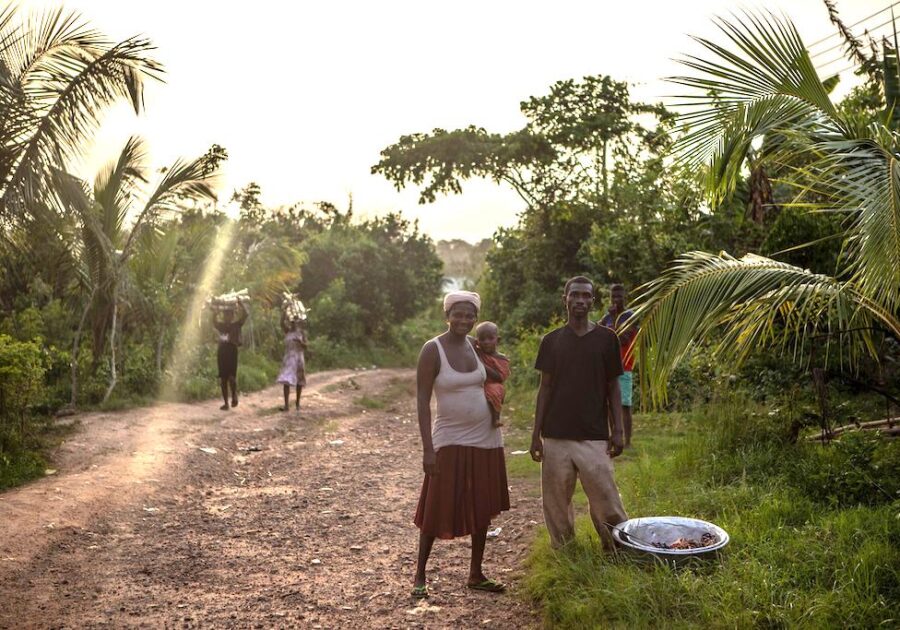
Cocoa farming in West Africa (pic Ben Rotthoff/Koa)
Mars Wrigley has confirmed it is closing in on a core sustainability target, stating that from 2023, 100% of its supplies purchased for its direct factory operations in Europe will be verified as responsibly sourced cocoa, writes Neill Barston.
The move impacts its key product lines including Snickers, M&Ms, Mars, Dove/ Galaxy, Maltesers and Milky Way, which will all be subject to its enhanced standards, which forms part of its core producing country engagement programmes.
This has been built around a major investment of $1 billion over a decade into delivering its Cocoa for Generations Strategy, which was established in 2018 with the aim of delivering real, lasting positive change across the supply chain for farmers of the future.
It focuses on the critical issues that need to be addressed to support agricultural communities to thrive, including protecting children, preserve forests, and improving farmer income, according to the company. These core issues remain of significant concern to the sector – with latest research as highlighted by the NORC report from studies emerging from the University of Chicago, there are still 1.5 million minors in West African markets of Ghana and Ivory Coast that remain exposed to child labour within the cocoa sector – with many organisations fearing the pandemic has worsened the situation, as farmers are increasingly unable to hire adult labour.
While its responsibly sourced policies aim to tackle child labour, there are however, no set final objectives for eradicating the issue in its supply chains. Under its policies, its programme states that it is engaged with existing certification from Fairtrade and Rainforest Alliance. Its operating standards also state they require additional elements including the specific locations and boundaries for all farms, child labor monitoring and remediation systems in at risk areas, and an overhaul of premiums so that farmers receive a higher share.
As has previously been reported by Confectionery Production, farmers in the West African cocoa market remain among the lowest paid in the world, with earning in some instances as low as less than $1 a day, well below UN poverty level guidelines, as they continue to grapple with sustained weakened prices for their crops amid ongoing market turbulence.
Benjamin Guilbert, Vice President Procurement at Mars Wrigley Europe, CIS & Turkey commented: “Achieving 100% responsibly sourced cocoa for our European factories will be a huge milestone for the business. Cocoa is key to our global chocolate brands and to the livelihoods of an estimated 350,000 cocoa farmers in our supply chain. As one of the world’s largest buyers of cocoa, we have a responsibility to help drive positive, long-lasting, systemic impact to support the farmers and communities in our supply chain.’
Inge Jacobs, Senior Director of Human Rights and Social Impact, Mars Wrigley Global said: ‘We know there is much more work to be done, but we are determined to continue working in collaboration with key partners to create a modern, inclusive, and sustainable cocoa supply chain – one where the environment is protected, human rights are respected, and everyone has the opportunity to thrive.’
As outlined in the latest Cocoa for Generations update report launched on 18 September, Mars Wrigley is on track to reach its global goal of 100% of its cocoa being sourced through its Responsible Cocoa program and traceable to first point of purchase by 2025. As of the end of 2021, 61% of the company’s global cocoa was sourced through the Responsible Cocoa program, with 44% of its global supply traceable to farm boundaries from first point of purchase.
