COP31 offers hope for tackling climate change and agricultural support
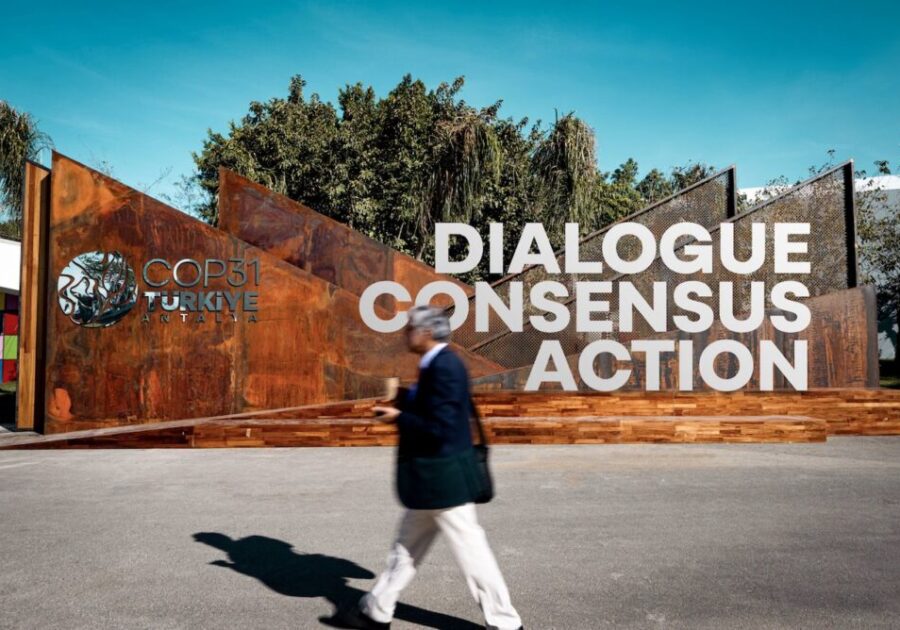
pic: Cop31
Much hope has surrounded the latest COP31 global environmental conference that has been busy playing out in Türkiye this past week, with agriculture and climate change being among core topics raised.
As many observers have noted over the years with these much-publicised events is whether consensus on the biggest issues, namely the ability to devise legally-binding targets for individual national emissions reductions at the heart of topic has been the hardest to deliver.
But the consequences of not finding consensus are already being seen in terms of severely impacted agricultural supply chains, which are at the heart of confectionery, bakery and wider ingredients markets, and wider food sector, which have continued to experience volatile conditions.
In response, this year, the COP conference in Antalya has seemingly taken a different tack in declaring a policy pledge of announcing the ‘age of electrification’ powered by green solutions rather than reliance on fossil fuels, in a hope to stem the tide of tackling climate change, with its guiding flagship policy of trying to preserve the Paris Agreement’s longstanding target of limiting global warming to some 1.5 degrees by 2050.
Cop President Murat Kurum stressed the urgency of making tangible firm commitments to policy that went beyond mere agreement. He cited the climate finance goal previously agreed in Baku, what stated at least least $300 billion annually for developing countries by 2035 and the call to scale climate finance from all sources to at least $1.3 trillion annually, which he believed would make a critical difference.
He said: “Now our promises must be backed by capital. That capital must fund investment. And that investment must deliver results,” as he called on this iteration of the event to become the “Implementation COP” that closed the gap between commitments and direct improvements for communities around the world.
As such, he asserted that Turkiye was willing to serve ‘as a bridge, and is ready to take on that responsibility again’ in finding a middle ground for nations on some of the world’s most pressing environmental tests.
Moreover, as we’ve reported this week, one of the most pleasing developments to emerge from the event, did not come from its central halls, but was very much forged during the conference, in the form of an agreement between Barry Callebaut, he OIPR – Office Ivoirien des Parcs et Réserves, for protecting six Ivory Coast national parks and nature reserves.
This €4.75 million project, also involving the he Foundation pour les Parcs et Réserves de Côte d’Ivoire, comes at a particularly timely moment with the advent of the EUDR deforestation due to kick-in at the end of next month, requiring greater action across the sector in delivering on major environmental performance requirements.
While this may seem just a relatively confined, specific project, it is from such collaborative ventures, that far greater success can flow, though it will require sustained engagement over decades from right across major players operating within cocoa and other agricultural commodities to have extended impact on the world’s forests and broader environments, yet these are combined steps that are being taken in the right direction, which will require notable scaling-up across the globe if ambitions of reversing climate change impact are to be achieved.
Neill Barston, editor, Confectionery Production
- keep in touch at [email protected] or via our social media @confectionprod or our linkedin pages.
Topics
agreement Barry Callebaut climate change Conference COP31 debate discussion El Nino event
PeopleOrganisations