Exclusive: Barry Callebaut’s 2027 chocolate trends reveal key consumer demands
pic: Neill Barston
In the wake of its high profile launch of its new Flavourcode cocoa series, Barry Callebaut has unveiled a series of nine top chocolate trends for 2027, with taste, indulgence and innovation taking centre stage, reports Neill Barston.
As our title covered at the unveiling of its latest major product series in Antwerp last month, it has placed the return to delivering fresh confectionery offerings at the heart of its operating model, with demand from consumers remaining high across the category.
Significantly, Barry Callebaut observed Euromonitor’s latest chocolate analysis, which has shown that the market is worth some $160 billion in 2026, and is forecast to grow to $165 billion in 2027, a growth of 3.1% year-on-year.
Furthermore, the group noted that in terms of volume, sales are set to reach 7.17 million tonnes in 2027 with 0.5% growth vs. this year, revealing growing movement towards premimumisation, despite present constraints on many household budgets around the world
As Barry Callebaut added, together with creative agency WGSN, which also presented last month at its key launch in Antwerp, 2027 is set to hone in on several core trend concepts – including “connected taste,” “Fun-ctional Taste” and “Extraordinary Taste,” linked to sharing, wellbeing, and creating indulgent experiences.
Dries Roekaerts, President Customer Experience, for Barry Callebaut, commented: “In a market where people are spending and expecting more, relevant and lasting innovation is essential. By combining WGSN foresight with our consumer, sensory and technical expertise, we help manufacturers identify the opportunities with greatest potential and turn them into chocolate experiences with maximal value for their consumers.”
Major trend evaluation
As the business added, its latest series of research has come courtesy of 24,000 consumers around 24 global markets, exploring products, flavour, and format development.
Nine trends shape the 2027 outlook: five enduring trends, reinforced with fresh consumer evidence and market examples, alongside four emerging trends: Global Café-Inspired, Feeding Fan Bases, Daily Dose Supplement and Boundary Breaking.
Significantly, the study highlights the fact that innovation is becoming more urgent: global chocolate confectionery prices have risen 10% in the past year, increasing pressure on volume and the need to demonstrate value.
Linked to this, according to Mintel, chocolate confectionery launches increased 13%2 year-on-year in 2025, the strongest annual innovation growth since COVID.
In terms of the core trends themselves, the study cited delivering on new celebratory moments as among the most critical directions of travel for the sector. The research asserted that shoppers in 2027 are anticipating a greater level of novel products than ever before – with technology including AI helping drive enhanced recipe development responding to regional flavour preferences around the world.
Therefore, celebratory moments are also increasing, including being linked to sporting occasions, local seasonal gatherings, with shoppers seeking out fresh inspiration to spark opportunities for social times that can be marked with products including confectionery and snacks.
Another wider factor to consider is the continued rise of cafe culture in many locations across Europe and around the world – many younger generations are favouring hanging out at the local coffee shop over a club or pub, which in itself has generated more space for development of chocolate, and snacking ranges appealing to adventurous consumers.
As platforms such as Tik-Tok have visibly demonstrated, fan communities have helped deliver explosive levels of growth for product categories that are new, different, or offer elements of interaction that can further bind those groups together around a common theme.
This includes shoppers actively looking for limited edition series and collaborations with sports and movie franchises, which has been an increasingly phenomenon over the past couple of years, and looks set to rise even further in the coming months and years ahead.
Snacking patterns
Moreover, as regarding the snacking market, the rise of the GLP-1 medication market – particularly in the US, has driven a demand for smaller portions within confectionery. As our title has also reported – the ongoing phenomenon of ‘shrinkflation’ in which ranges have become reduced in size has also picked up notably, as manufacturers come under pressure to cut production costs amid the rising price of ingredients, including cocoa, from around the world.
In addition, snacking and chocolate that offers nutrient-rich options, and snacks with low sweetness and gentle formulas that respond to the needs of varying dietary requirements are also gaining traction. Studies have shown that two-thirds of those taking GLP-1 drugs have actively sought out products that are formulated specifically with their needs in mind.
Linked to this, the concept of “Lo and No” has emerged, with shoppers increasingly seen to be rejecting ultra-processed food ranges, including confectionery, and demanding greater transparency in terms of ingredients, as well as ethical sourcing policies.
There has been a sustained rise in demand for sugar-free confectionery, with clean label, as well as fresh chocolate (witnessing a 43% surge in Google searches in the past year), rising in popularity, as manufacturers respond with new ranges being placed in the market in recent years.
Chocolate compounds, and alternative plant-based ingredients have also emerged on the agenda – which Barry Callebaut itself has tapped into with forging distribution deals with companies such as Planet A Foods, offering a direct alternative to traditional chocolate offerings.
For those taking daily supplements targeting beauty, brain and health management, delivering strong product options within the functional ingredient category is another area of major growth for the sector. Chocolate ranges that can tap into these categories have been identified as having significant potential – with 48% of consumers stating that ingredients ranges supporting health are particularly attractive.
Delivering enhanced taste
It is perhaps little surprise that delivering on creating extraordinary taste remains a major priority for shoppers, through dialling-up flavours, textures and interactions with other products all very much high on the agenda for 2027’s savvy confectionery buyers.
As the fresh report notes, “consumers are seeking pure joy and memorable moments through fantastical, indulgent confectionery,” as people feel fatigued from digital overload, and are turning to real=world experiences to escape from the stresses of modern life.
Therefore, delivering unique flavours and mouthfeel are also seen as critical trends, which is seen a key factor driving sales in larger chocolate bar series packed with intense textures and creative fillings.
This in turn has seen manufacturers see demand for creating boundary breaking product ranges with flavour crossovers – which have been very much in evidence at recent ISM shows in Cologne, Dubai, as well as Sweets & Snacks Expo in Las Vegas this year.
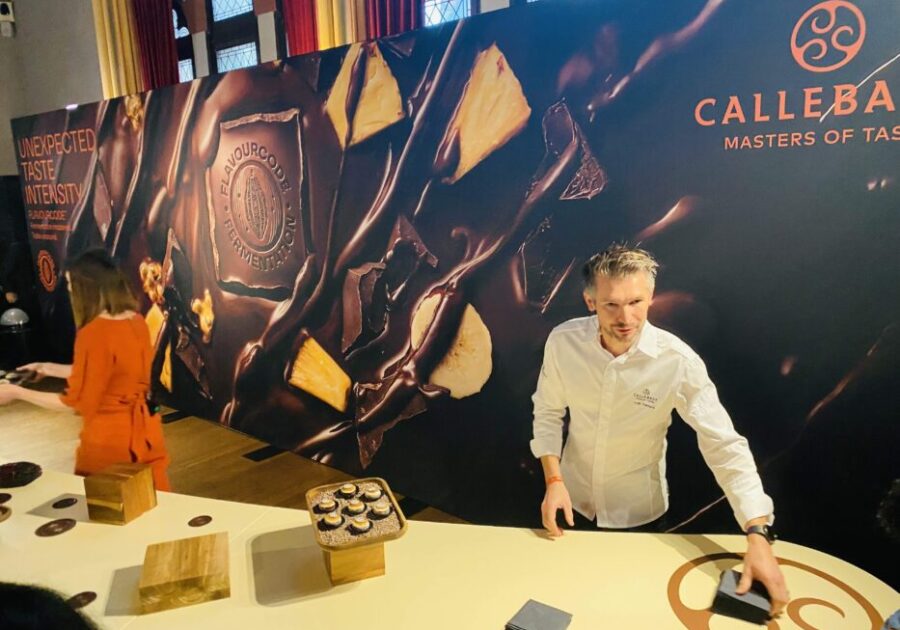
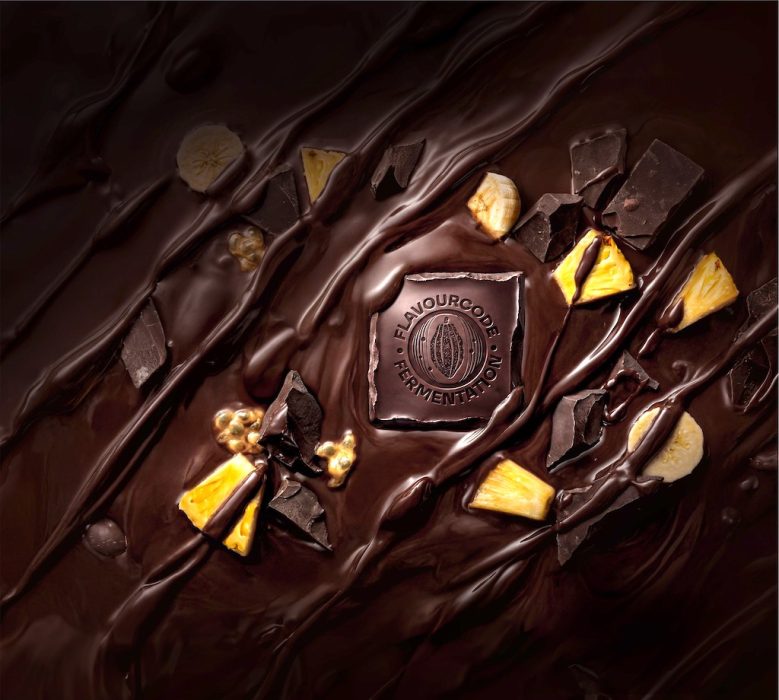
Part of this is in creating a sense of theatre for the delivery of chocolate experiences – as seen with Barry Callebaut’s Flavourcode series, in which the high-profile launch was marked with a ceremonial unveiling of the new cocoa and chocolate series, which has been based on years of wider company research.
Finally, while novelties and exciting innovation are highly-valued, as we have previously covered, there remains an extremely strong market for familiar classics – which may well be given some key flavour upgrades during 2027, which is destined to be another inventive, and highly competitive year across the global industry.
Topics
chocolate consumer trends flavour innovation reformulation taste trends
PeopleOrganisationsRegions