From cocoa bean to paper
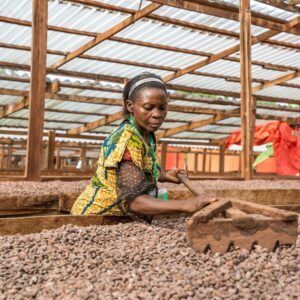
An innovation that could save the skins of many of the 3.5 million tonnes of cocoa beans produced each year, by turning them into paper, has been pioneered by British paper manufacturer James Cropper, paving the way for millions of chocolate bars to be wrapped and sold in the stuff of their creation.
About 10 tonnes of cocoa husk waste accounts for every single tonne of dry cocoa bean produced, or 76% of the fruit itself, making the production of a versatile paper from the remnants of the chocolate production process a potentially significant breakthrough for the food and packaging industries. A bio-recycling solution that, unlike other cocoa recycling processes, doesn’t necessitate burning or gradual degrading of the fibres of the cocoa husk, the finished light brown paper uses the cocoa as a natural colourant, avoiding the need for artificial dyes.
First asked by manufacturer of high-quality cocoa and chocolate products, Barry Callebaut, to consider how its environmental responsibility and waste recovery processes could be enhanced by reviewing its packaging, experts at the 168 year old, family-run mill began a series of trials that soon lead them to their breakthrough. Effectively a physical token of the manufacturer’s efforts to support sustainable cocoa farming, the paper is now in production and certified for use in the food supply chain.