Research reveals global snacking bar market forecast rises to $32billion
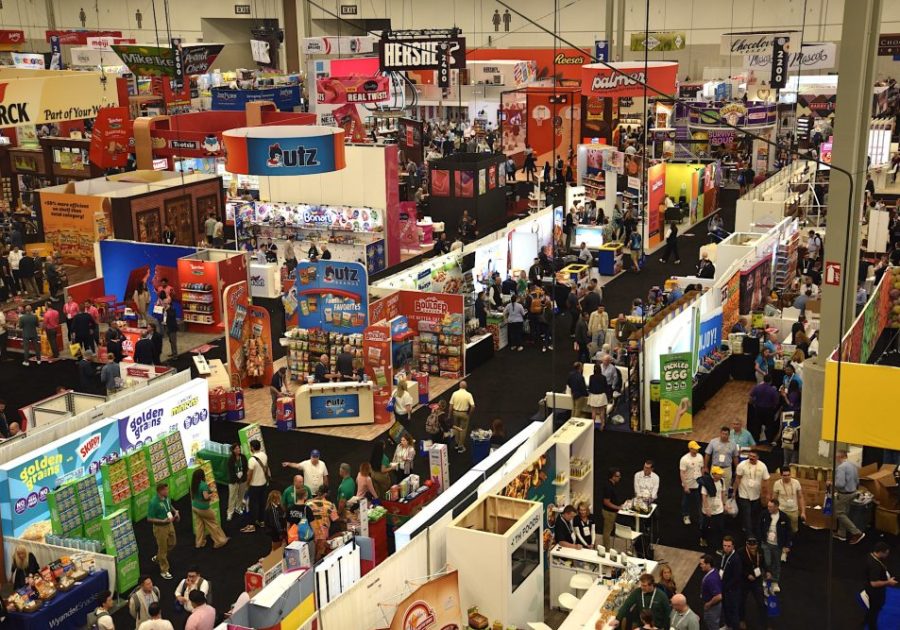
Some 1,000 businesses were part of this year's Sweets & Snacks Expo, with the healthier bar market showing strong growth. Pic: Neill Barston
A significant boost in global snack bar markets has been projected, with the sector rising from present $21.9 billion value, to $32bn within the next five years, writes Neill Barston.
The research from Mordor Intelligence comes amid a wide range of launches that have been witnessed with flagship industry gatherings including in the US at Sweets & Snacks Expo, ISM in Cologne, and also at the Food Ingredients Europe event in Paris held at the end of last year.
Notably, the latest studies assert that the snack bar segment is set for compound annual growth of 8.2%, backed by increased demand for convenient, portable nutrition products that fit into commuting, school, and fitness routines
As Mordor noted, at the same time, tightening standards around health claims and changing consumer expectations are pushing manufacturers toward lower-sugar and higher-protein formulations. Strategic consolidation is also reshaping the category, while supply pressures affecting pea, whey, and rice protein isolates are increasing the importance of sourcing strategies and formulation flexibility.
Indeed, as Confectionery Production’s own coverage has shown, markets around the world have shown a genuine desire to offer an expanded portfolio of snacking ranges that include dynamic healthier-options.
Among key deals in recent times have been Ferrero agreed to acquire Brazil-based Bold Snacks, a premium protein snack company with a growing portfolio of protein bars, marking Ferrero’s entry into the better-for-you segment in South America. Similarly, in the US, the company also acquired health-conscious Power Crunch series.
Furthermore, in the US, brands such as Welch’s Fruit Snacks have been gaining enhanced market prominence, which has been mirrored by progress for a number of companies across Europe and further afield.
In addition, ITC Limited finalized its acquisition of control over SproutLife Foods (YogaBar), strengthening its position in energy and protein bar presence, which in itself has become a significant market.
Market proposition
Furthermore, as the latest study observed, bars are increasingly positioned as practical nutrition formats for consumers managing busy lifestyles. Their portability allows brands to address multiple consumption occasions, including commuting, school routines, between-meal snacking, and pre- or post-workout use. This flexibility is helping snack bars compete with traditional packaged snacks while broadening their relevance across demographic groups.
The shift toward portable formats is also encouraging manufacturers to diversify product portfolios across cereal and granola bars, protein and energy bars, and fruit and nut or seed bars. As consumers increasingly combine convenience with nutritional expectations, brands are using format and formulation innovation to capture more frequent consumption.
Significantly, as the studies found, regulatory changes are accelerating reformulation across the snack bars industry. Tighter standards surrounding the use of health claims, alongside growing consumer scrutiny of sugar content and nutritional composition, are encouraging manufacturers to reduce sugar and increase protein content.
This shift is creating opportunities for premium formulations designed to combine convenience with specific nutritional benefits. Higher-protein products are particularly relevant as consumers increasingly seek snacks that align with fitness and wellness routines. However, rising costs and supply pressures for key protein isolates are forcing manufacturers to balance nutritional ambitions with margin management.
Furthermore, the growing use of pea, whey, and rice protein isolates is creating a supply-side challenge for snack bar manufacturers. Higher demand for protein-rich formulations is increasing exposure to raw material availability and input-cost fluctuations, placing pressure on gross margins.
Manufacturers are responding by negotiating longer-term supply agreements and diversifying protein sources to reduce dependence on individual inputs. This procurement shift is becoming an increasingly important competitive factor as companies seek to maintain consistent product quality and protect margins while expanding protein-focused portfolios.
Bhavesh-Narasinha Varute, Senior Research Manager at Mordor, noted: “As global food safety mandates and functional beverage demand reshape pH control requirements, our structural analysis maps shifting demand across synthetic and bio-based sourcing. Built on direct supply-chain auditing and objective volume tracking, this report equips commercial leaders with a verified, defensible foundation for strategic procurement and investment,”
Topics
consumer demand health new product development nutrition snack bars wellbeing
PeopleOrganisations