Nestlé delivers key regeneratively farmed wheat for KitKat series
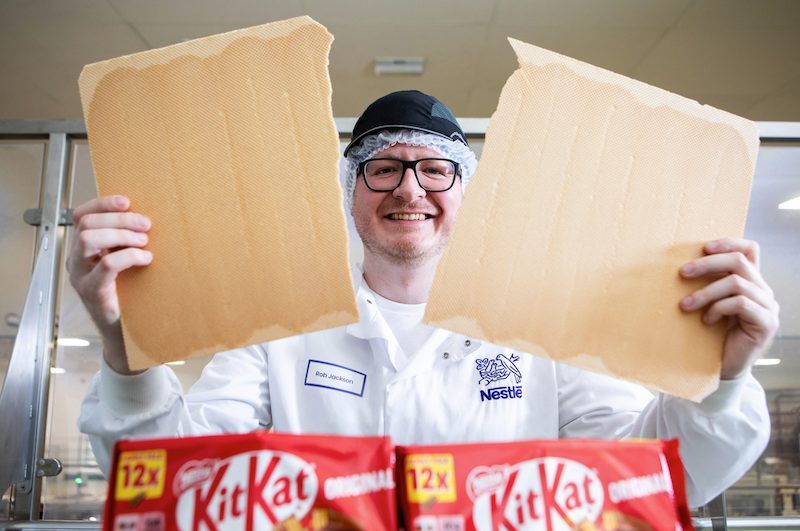
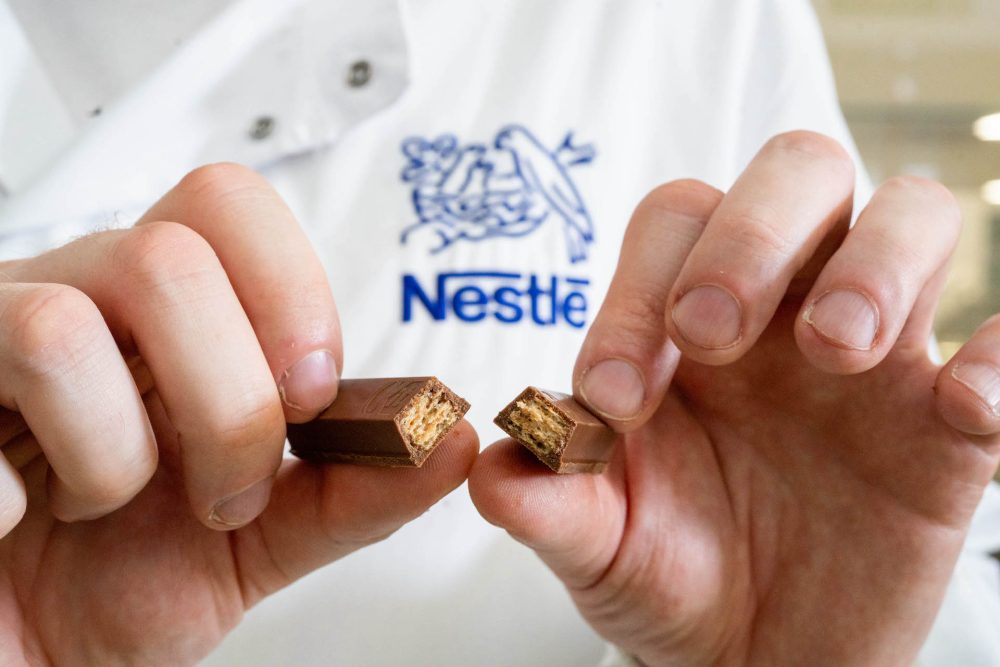
KiKat is launching a new venture for regeneratively farmed wheat. Pic: Nestle
An ambitious agricultural initiative is being trialled by Nestlé’s KitKat, with the brand joining forces with Wildfarmed, for the use of regeneratively farmed wheat in the flagship chocolate bar series, reports Neill Barston.
With manufacturers under increasing pressure across the board to reformulate products as costs rise, and consumers demand a greater level of clean label ingredients,
key industry players are continuing to respond with initiatives relating to major brands. One of the most notable examples this month has been Mars reportedly investing millions into M&M’s, through replacing artificial dyes in colours including shades of blue for more natural equivalents using spirulina, as is already practised in Europe.
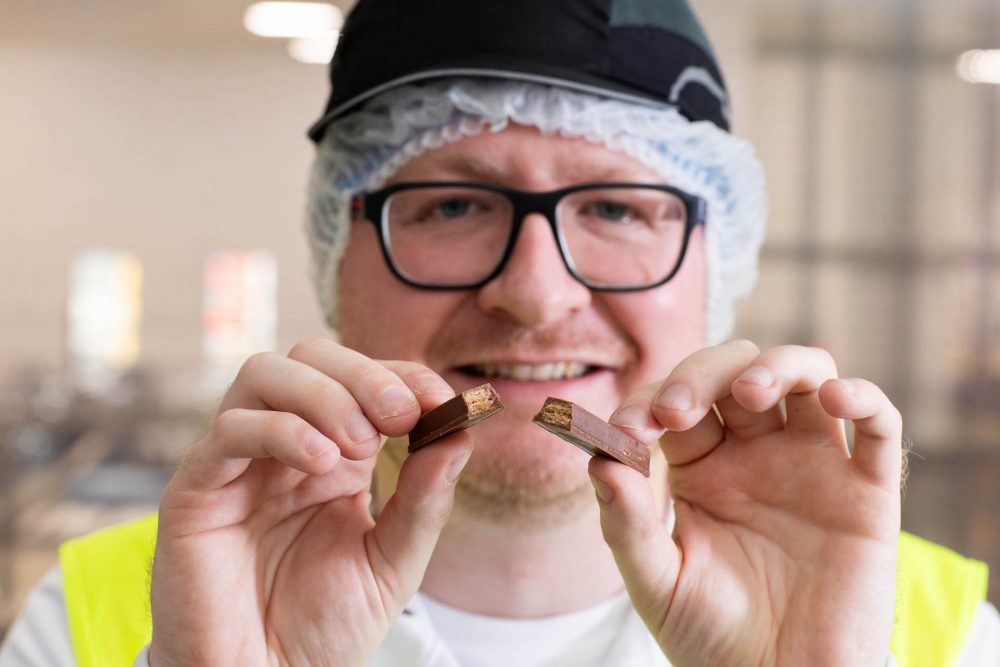
For its part, the makers of KitKat have pledged that the 90 year-old brand will not change in its taste, but the introduction of the new wheat will ‘up its sustainability game.”
Trials to use a proportion of the wheat in the wafer started last year in Nestlé’s York factory, and now it will be used in the 1.5 billion KitKat bars which are made in the city every year.
The wheat comes from Wildfarmed’s community of British farmers who all follow a set of standards based on holistic farming practices aimed at reducing environmental impact and bringing life back to soil. These practices focus on the key principles of regenerative agriculture and include limiting soil disturbance, maintaining year-round soil cover, promoting plant diversity and keeping living roots in the soil.
Together these practices help to increase field and farm biodiversity as well as improve soil health, minimise water pollution and reduce carbon.
Wildfarmed was founded by Andy Cato, George Lamb and Edd Lees, and they set out to build a community of farmers who are dedicated to farming in a way which restores soil health and improves the impact on the environment, bringing nature back to farms and landscapes.
“We’re thrilled to be working with Wildfarmed,” said Dr Emma Keller, Head of Sustainability at Nestlé UK and Ireland.
“This collaboration is all about making the KitKat everyone has known and loved for the last 90 years in an even more sustainable way, all while supporting British wheat farmers to adopt regenerative farming practices that are intended to support carbon reduction and increase biodiversity.
With this partnership, it’s not just about growing crops a bit differently; it’s about working to grow and support a more sustainable future for farmers and the landscapes we depend on.
“As a large food and drink company with a diverse supply chain underpinned by a network of farmers, collaboration is essential to help us achieve our sustainability goals. Wildfarmed is helping us lead the charge to ensure that our much-loved KitKat bars are made with sustainability at their core. ”
Edd Lees, Wildfarmed CEO and co-founder said: “Wildfarmed exists to make resilient, nature-rich farming mainstream.
“For too long, nature has effectively been priced at zero in our food system. Farmers have been pushed to maximise yield, often at the expense of soil, biodiversity and resilience. We believe it’s time to flip that model.
“1.5 billion KitKat bars are made every year in the UK. Partnering with Nestlé to use regenerative British wheat is a big step forward in our mission to make regenerative farming the default, not the exception, and prove that nature restoration can sit at the heart of iconic brands.”
As the partnership develops, Nestlé and Wildfarmed will work together to support their farmers in delivering nature friendly practices, all while maintaining the quality and signature snap of the KitKat everyone has loved for 90 years.
This collaboration is one chapter in Nestlé’s broader commitment to reduce its environmental footprint while serving up the high-quality products.
The partnership with Wildfarmed builds on 22 years of working with British dairy collective, First Milk, whose Ayrshire dairy farmers also look after soil, rotate crops and encourage biodiversity to make the milk for the chocolate products made in Yorkshire, and whose Cumbrian farmers help create the frothy coffees in Nestlé’s factory in Cumbria.
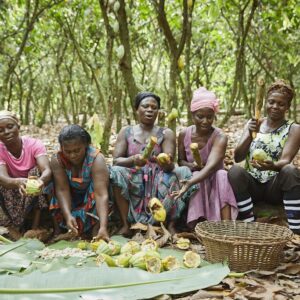
And it’s not just milk and wheat from the UK doing the heavy lifting: the Nestlé Income Accelerator programme in Côte d’Ivoire is boosting incomes and resilience for cocoa-growing families,