
Exclusive: Celebrating nine decades in publishing at the World Confectionery Conference
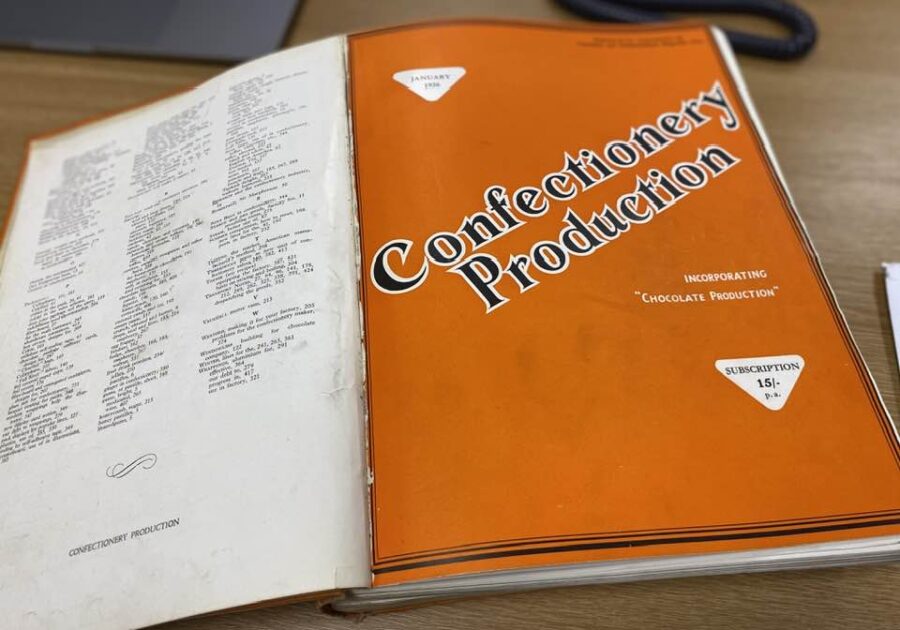
Our World Confectionery Conference will be offering a key celebration for Confectionery Production’s 90th anniversary, with our title having served the industry consistently over its eventful and varied history, as editor Neill Barston reports.
Considered by many as a golden age of British confectionery, the 1930’s witnessed a true burst of creativity that saw some of the nation’s most beloved brands hit store shelves.
From the arrival of the iconic Terry’s Chocolate Orange and Black Magic selection boxes, through to Rowntree’s KitKat and Quality Street, as well as the first ever Mars Bar that rolled off production lines in Slough, it proved a surprisingly rich period of product development.
So, it was perhaps little wonder that our own publication was first set in motion, with its original publishers, London-based Specialised Publications being incorporated in August 1934, and subsequently delivering the very first edition of Confectionery Production in response to the boom in era-defining brands. (You can register to celebrate our 90th anniversary at our World Confectionery Conference on 12 September), via our dedicated website at www.confectioneryconference.com).
Key magazine archives
As an early hardback edition of the monthly magazine, designed with a distinctive orange coloured jacket asserted, the B2B title ‘is the organ of the progressive manufacturer. It’s up-to-date information will ensure him a prosperous New Year.”
Such a statement very much reflected the fact that engineering was very much a male-dominated profession during the period, which nearly a century on, is career that has seen an increasing number of women enter the engineering, manufacturing and scientific fields. 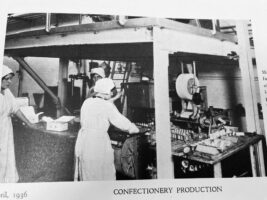
Perhaps a major driver of that may well have been the Second World War, when many women stepped up to take on factory work that was was seen strictly as the preserve of the male population as menfolk were largely called-up for wartime service.
As a former history graduate, It was a great personal pleasure to flick through some of the earliest magazines in our 90-years of publishing, with each magazine offering a strong technical examination of production techniques and challenges in the true spirit of B2B titles.
With the title less than five years into its existence, WWII cast a major shadow over Europe and led to the kind of rationing of many household goods and food, with small luxuries such as confectionery being impacted due to strict controls over sugar availability.

While limited production did continue (with chocolate in particular being sent out to troops on the frontline to boost morale), it was not until April 1949 that post-war sweet rationing was lifted, which in itself heralded a fresh boom in the market for key ranges such as never-ending gobstoppers and aniseed balls that were among favorites of the day.
As the post-war pages of Confectionery Production reveal, the 1950’s reveal, the surge in demand for sweets and chocolate around the world also led to a heightened demand for the machinery to make all the latest sought-after series, and so a fresh upturn in the sector’s fortunes began.

Indeed turning the pages of our magazine, some of the industry’s most notable equipment suppliers were in full flow, from Rochdale’s BCH and Peterborough’s Baker Perkins (which this month just had its name changed under new ownership to Coperion), through to Germany’s Theegarten packaging machinery business, all of which are still going strong.
Confectionery Production came into the hands of Bell Publishing back in 2009, and we have set out to expand its horizons to reflect the truly international audience that we now serve right across strands of our combined market segments.
While the technical changes impacting the industry have moved on in terms of ever-greater levels of automation and equipment capabilities, the same strong engineering skills that have driven the sector from its early roots are very much in evidence as you will see from the pages of this latest edition. We’re always interested to hear from you, so if you have any ideas about content or areas for coverage that you would like to see, then please do get int touch