What’s real?
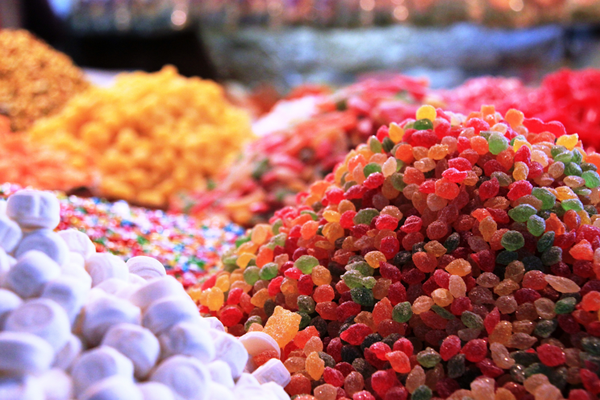
It turns out that London has a history of counterfeit confectionery and falsified foodstuffs; from children’s sweets dyed with copper to wine sweetened with lead, food historian Tasha Marks has researched the many different ways in which candy makers and chefs have taken shortcuts while cooking since the 1880s. Apparently some pretty harmful ingredients were added to certain dishes.
Despite the fact that we now have access to more information than ever on what is in the products we buy and even where the ingredients come from, consumers are still encouraged to be wary and to watch out for fake chocolate and other confectionery products.
In February 2014, Europol and Interpol reported they had seized more than 80,000 counterfeit biscuit and chocolate bars in a series of raids. Therefore we should all be on our guard, making sure that we are buying, and more importantly, consuming the real deal.
A quick internet search revealed that in May last year a shop keeper in Musselburgh, East Lothian in Scotland was caught selling fake Willy Wonka bars by Trading Standards officials. The inspectors confiscated two of the bars and sent them to manufacturer Nestle who subsequently confirmed the chocolate was counterfeit.
The issue of counterfeit products is something that we tend to associate with designer clothes rather than food and drink! However, more than 1,200 tonnes of fake or substandard food and nearly 430,000 litres of counterfeit drinks were seized in the Interpol and Europol operation, which was spread across 33 countries in the Americas, Asia and Europe.
It’s actually an issue that we should all be aware of…