Exclusive: EU Commission finally delivers EUDR implementation, amid ongoing industry concerns

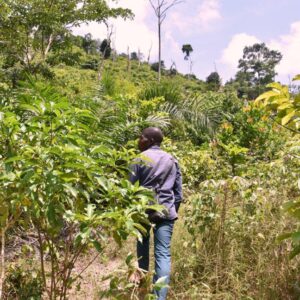
Deforestation has increased through a number of sectors including with palm oil and cocoa. Pic: Shutterstock
The European Commission has delivered the final steps for enshrining its flagship EUDR deforestation regulations, as completes a concluding implementing act ensuring the much-delayed landmark legislation enters into force in December 2026, reports Neill Barston.
As Confectionery Production has previously reported, the legislation has faced a turbulent passage since it was agreed in 2023 amid broad industry support – and has faced major challenges ever since.
Significantly, the legislation, which for the first time compels EU companies to demonstrate they are deforestation-free in their supply chains – including businesses within the confectionery, snacks and bakery sectors (as well as related industries including palm and soy producers) – has faced two official delays in 2024 and 2025.
While there has been much debate and division over the implementation of the scheme, few have doubted the urgency underpinning the legislation’s arrival, which is set against the context of West Africa, which supplies two thirds of cocoa supplies to the international chocolate industry having lost approximately 80% of its core forest areas, according to reports from Global Forest Watch.
The topic will be among issues being discussed at this year’s World Confectionery Conference taking place in London on 10 September, with registration now open for our key event as it returns in its fifth edition, which can be done by this direct link.
EUDR delays
According to the EU, the delays had been blamed on a failure of the IT system that would oversee the ambitious programme of legislation – which the EU Commission had previously insisted would be ready in time for the intended original start date of 2024. However, it emerged that there were in fact key shortfalls in how it would operate, as well as how accurate the data from geomapping satellites would be from the venture.
In addition, there were significant concerns within farming communities in West Africa that many communities felt they were ill-prepared to engage with the the scheme – which requires a high level of traceability to be delivered at farm level, and who would in fact finance the delivery of that.
Indeed, linked to this, as has been noted, investigative reports into the IT system behind the scheme have reportedly indicated that issues relating to the data management side of this vast enterprise were known about several years ago, which the EU Commission has rebutted.
Notably, there had been key political lobbying from centre right groups within the EU parliament that had argued the legislation would be punitive on smaller and medium-sized enterprises. Consequently, the scale and scope of the regulations has been reduced – to the point that many have considered them to be considerably weaker than originally outlined, with only the largest businesses in Europe employing over 500 people having to submit direct data on supply chains.
For her part, Jessika Roswall, European Commissioner for Environment, Water Resilience and a Competitive Circular Economy. welcomed the final elements of the EU Commission’s delivery of EUDR, which were signed earlier this week and included a delegated act simplifying the list of products covered by the regulations, and an implementing document surrounding due diligence reporting requirements.
“With this package, we are providing the clarity and predictability that businesses, Member States and our international partners need to prepare for the application of the EU Deforestation Regulation at the end of 2026.
Following the agreement reached by co-legislators, we have completed the simplification review and put in place the necessary measures to ensure a smooth and effective implementation of the Regulation,” explained the minister of the regulation’s much-delayed arrival.
The legislation is finally due to take effect at the end of December 2026, after considerable political wrangling over which products will in fact be covered by its frameworks.
Notably, the legislation confirms that palm oil derivative will be added to the list of these products under its scope, alongside instant coffee, while there have been concerns expressed that leather has been removed from the scope of the legislation – with the sector being cited as a notable cause of deforestation through farming techniques linked to it.
Commenting on the final position of the EU Commission, the Mighty Earth non-profit organisation asserted that the European Union had ‘scored an own goal’ in removing products from the legislation.
The group said: “According to the Commission’s Staff working document imported hides are linked to around 17% of the deforestation associated with products covered by the EUDR, representing around 39,000 hectares of global forest loss annually – that’s around 60,000 soccer pitches.
The leather industry has been lobbying hard for leather to be exempt from the EUDR to protect its own interests, falsely claiming that it doesn’t drive deforestation and human rights abuses. The meat industry and the leather trade are inextricably linked; it’s impossible to access the meat without first removing the cowhide.”
Topics
cocoa environment EUDR legislation protections supply chains sustainability World Confectionery Conference
PeopleOrganisations