COP31 summit sees Barry Callebaut strike Ivory Coast forest protection deal
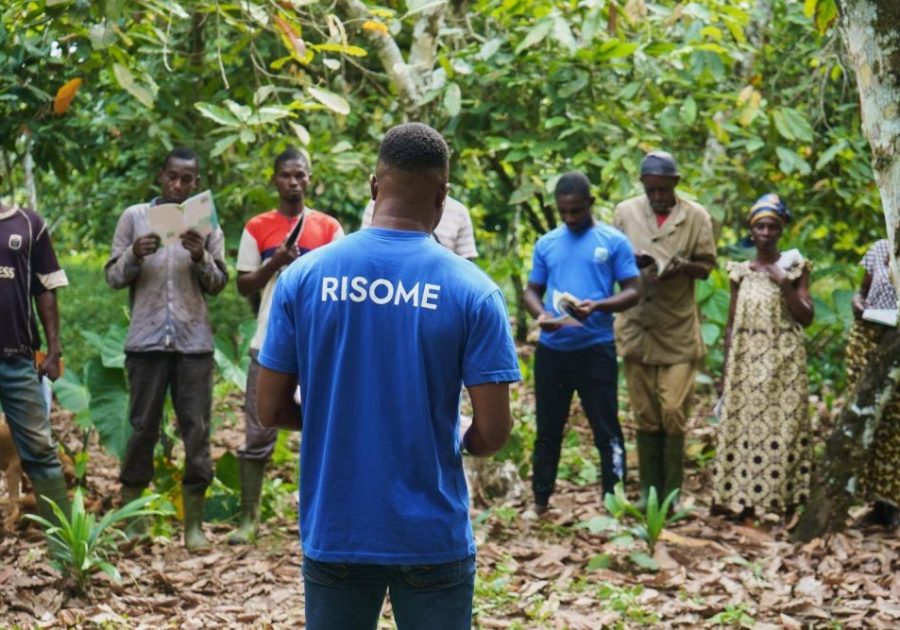
Barry Callebaut is looking to advanced agroforestry techniques favouring natural regeneration of forests to support cocoa growing communities in Ivory Coast. Pic: Barry Callebaut
A notable five-year sustainability deal has been secured at this year’s COP31 environmental summit, between Barry Callebaut and the OIPR – Office Ivoirien des Parcs et Réserves, for protecting six Ivory Coast national parks and nature reserves, writes Neill Barston.
The West Africa nation remains pivotal to the company’s cocoa supply chain, with forest protection cited by the business as being of critical importance to its ongoing operations in the region.
According to the Barry Callebaut, its latest public-private initiative agreed at COP31 also includes input from the Foundation pour les Parcs et Réserves de Côte d’Ivoire (FPRCI ) signed a new five-year agreement (2027–2031) to protect and restore six national parks and nature reserves in Côte d’Ivoire’s cocoa-producing regions.
The timing of the new framework comes at a significant moment for the EUDR deforestation regulations, which are finally set to come into force from the end of next month, following a two-year delay.
Indeed, on a wider level, as previously reported, with Ivory Coast and Ghana having lost significant volumes of over 70% of their primary forests over the past six decades due to extensive industrial interests including corporate logging, cocoa, as well as illegal gold mining operations, major confectionery players have recognised the contribute they can make in driving restoration of key forested areas in the region.
In a social media post on the the latest deal, Barry Callebaut noted that the arrangement reinforces a shared commitment to protecting forests and attaining key environmental goals.
It builds on existing collaboration with the OIPR and FPRCI, with the company noting that in 2025, it contributed to more than 4,600 person-days of forest patrols, the restoration of 878 hectares of degraded land, deployment of drone-based surveillance, and extensive biodiversity monitoring activities across protected areas.
The company noted: “As the cocoa sector advances toward EUDR implementation, initiatives like this demonstrate how long-term public-private partnerships can turn ambition into action. By working closely with governments, local stakeholders and farming communities, we can help protect critical ecosystems while contributing to a more resilient and transparent cocoa supply chain.
“We are proud to continue this journey with our partners and invite others across the cocoa sector and beyond to join forces in protecting critical forest ecosystems and building more resilient landscapes for future generations.”