Nestlé and BirdLife Europe combine for vital EU farming biodiversity study
pic: Nestle
An ambitious project between Nestlé and BirdLife Europe is set to be undertaken across three-and-a-half-year collaboration to measure the impact of selected regenerative agriculture practices within the EU, reports Neill Barston.
The topic of advanced farming techniques has become especially vital in other areas of the world – including key cocoa growing communities in West Africa serving the confectionery trade, as sector analysts increasingly realise the value of preserving higher levels of biodiversity.
As for the latest European studies, the research will assess whether these practices measurably benefit the wildlife that depends on farmland and will help identify where farming approaches can be strengthened.
According to Nestlé, the initiative begins in Spain this year, building on the biodiversity monitoring projects run on dairy farms since 2021, and in Poland with OTOP – BirdLife Polska, with Belgium joining from 2027 alongside Natuurpunt/Natagora. In each market, the work is designed with and for local farmers, whose knowledge and participation are central to its success.
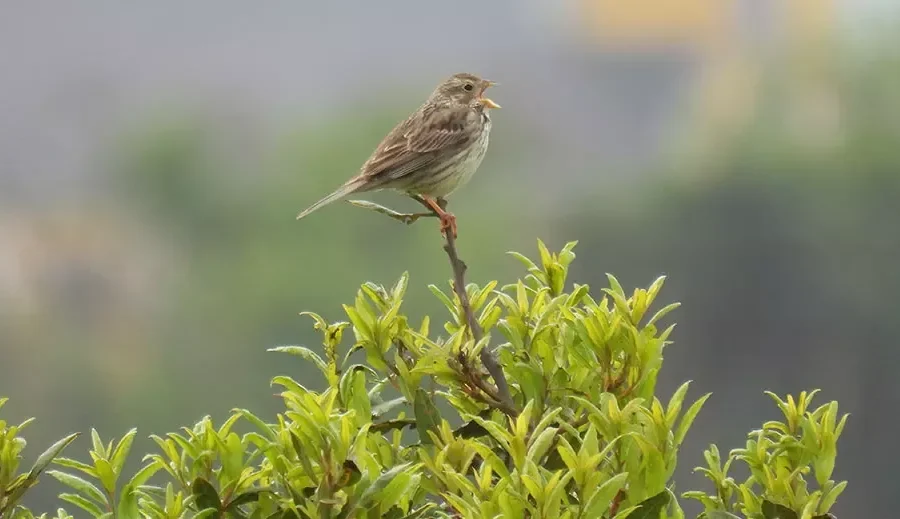
As the food giant noted, the question of maintaining biodiversity matters because Europe’s fields have grown quieter. According to the Pan-European Common Bird Monitoring Scheme, European farmland bird populations declined by 58% between 1980 and 20241.
Agricultural intensification is the main factor associated with this decline. For Nestlé, regenerative agriculture is a means to support resilient food systems by aiming to conserve and restore soil, water and biodiversity, capture carbon and support farmers’ livelihoods.
Science based approach
This is a science-based programme, and understanding how this farming transition can help restore natural resources is key to supporting agricultural supply-chain resilience and the long-term availability of key ingredients. For BirdLife, birds are a trusted gauge of environmental health, and a way to measure in the real world how regenerative practices deliver for ecosystems.
The science sits at the heart of the collaboration. On participating farms, BirdLife’s national partners will monitor birds, butterflies and wild bees using established survey methods. They plan to compare regenerative agriculture fields with conventional ones on a like-for-like basis, aiming to build a comparable picture over time, grounded in the same standards used to track Europe’s farmland bird populations. The evidence will help Nestlé, BirdLife and participating farmers understand which practices deliver the strongest outcomes for biodiversity and where approaches may need to be adapted.
“We want to back farmers with the science, the tools and the long-term commitment to help them farm in ways that aim to support nature and their businesses. This is about learning honestly what works. Birds are one of the most trusted signals nature can give us. Together with BirdLife, we are measuring selected bird populations in participating European farming areas to help assess changes in on-farm biodiversity”, said Anita Wälz, Head of Sustainability and Corporate Communications, Nestlé Zone Europe.
“Current intensive farming is wiping out biodiversity, depleting soils and rapidly increasing farmers’ vulnerability to climate change. A profound transformation is urgently needed, and fortunately, many farmers are already experimenting with new approaches. As a key player on the food market, Nestlé can support this transition, but it needs sound science to know which practices to back”, said Ariel Brunner, Director, BirdLife Europe and Central Asia.