Exclusive: The Hershey Company welcomes reversal of tariffs on crucial cocoa supply chain

Hershey at the recent Sweets & Snacks Expo in Indianapolis Pic: Neill Barston
The Hershey Company has welcomed a major US government decision to roll-back tariffs on import of a range of agricultural products, including cocoa, which the company had previously projected up to $180 million costs for this year, reports Neill Barston.
President Donald Trump first unveiled the key cross-industry taxes in April this year, which have been payable by US businesses in the form of import duties upon them, sparking notable industry concern.
According to the White House’s latest ruling, which comes as groceries prices for many Americans had spiked in recent months, a total of more than 100 agricultural products will henceforth be exempt from tariffs, on the basis they cannot be produced commercially in the US. The move has also been greeted positively by the country’s key trade association, the National Confectioners Association.
Core importing nations for cocoa include Ecuador, Ivory Coast, Ghana, Peru and Nigeria, which had been placed with varying import tariff rates of between 15-25%, which had impacted the market notably.
While cocoa is in fact grown in Hawaii, it remains the only state in the US that has reportedly developed production on a commercial level, with South Florida’s small crop volumes amid it sub tropical environment not capable of being scaled to industrial capacity.
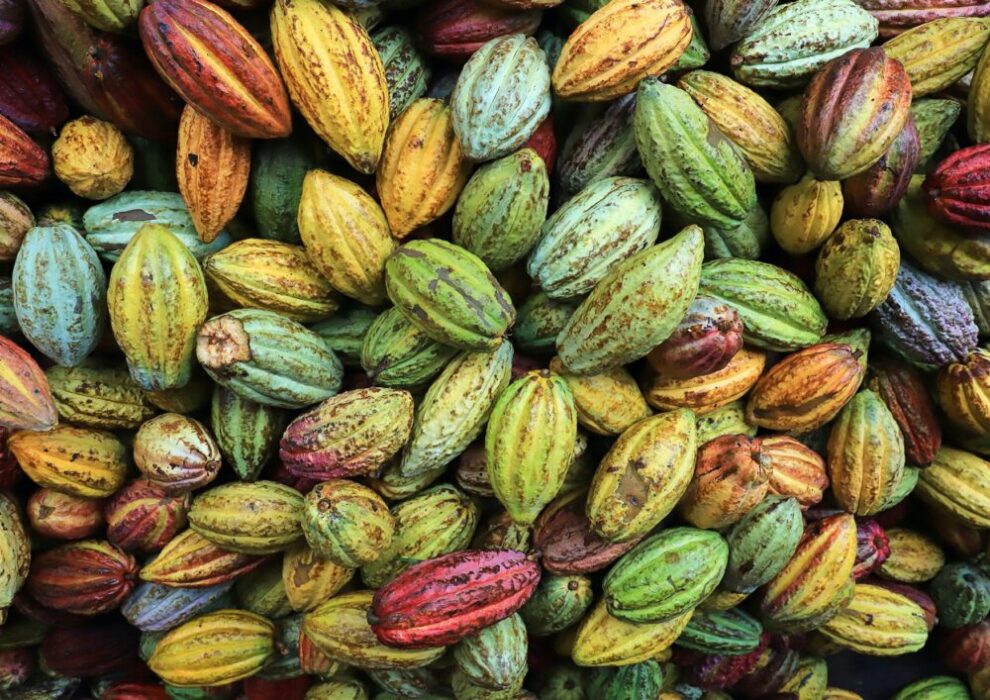
Consequently, cocoa was been highlighted among the key beneficiaries of the tariff policy reversal, after chocolate prices rise notably in America, with companies passing on rises to consumers in the region.
However, the US is not the only region to be impacted by rising costs – there have also been steep increases of sweets and confectionery for other territories around the world, including the UK, where chocolate retailing values have stepped-up around 15-20% in the past year, amid wider supply chain challenges.
As far as the US tariffs are concerned, US agricultural categories are concerned, the White House unveiled a list of other products that would no longer be subject to tariffs. This included macadamia nuts, cashews, grains, barley, spices, fruits including acai, coconuts, bananas and oranges, as well as vanilla beans.
Notably, as previously reported, for its part, Hershey had directly advocated to the White House that it be considered for exemption of taxation, where nine of ten Republican congressional representatives of Pennsylvania (where Hershey is headquartered) had reportedly lobbied the US trade representative this summer to remove the tariffs. It was argued that the taxes were negatively impacting on the state’s economy. With the tariffs taking effect this year, those calls appeared not to have been successful.
Consequently, Hershey reported that it was facing an annual bill of up to $180 million in tariff charges upon it, which it had budgeted for in its financial results this summer.
Other manufacturers, including Mondelez International had also raised the issue of US tariffs, via the the Consumer Brands Association, which had also written to the American government on the issue, urging exemptions on products that could not be produced in the region, including cocoa.
For its part, Hershey welcomed the policy change in a statement underlining the value of confectionery production at state and national level.
It said: “The Hershey Company is pleased by the Trump administration’s decision to exempt cocoa from broad tariff measures. For more than 130 years, we’ve been committed to keeping chocolate affordable and accessible for every family.
“Cocoa is not grown in the United States and is essential to our U.S.-based manufacturing operations, supporting more than 10,000 American jobs and fuelling economic growth across the country. This exemption strengthens our domestic supply chain and enables us to continue investing in American manufacturing.”
In addition, the National Confectioners Association also greeted the development on agricultural tariffs as a positive move, which it believed offered a notable boost to the industry.
It commented: “The National Confectioners Association thanks President Trump for taking action to boost domestic manufacturing and reduce consumer costs by exempting cocoa inputs from reciprocal tariffs.
“The United States chocolate industry is a major contributor to the economy, fosters innovation in the food sector, and brings joy to Americans across the country. Exempting cocoa, which cannot be commercially grown in the United States, from reciprocal tariffs ensures that domestic chocolate manufacturing can remain competitive in the global marketplace.”