
Lindt CEO’s exit speaks to wider major confectionery challenges
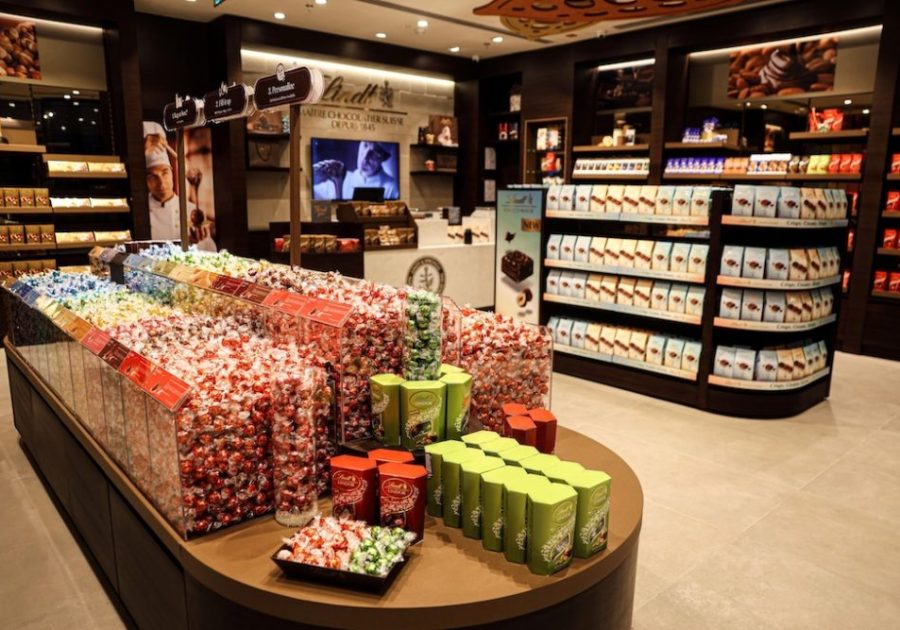
The departure of Lindt's CEO underlines wider sector tests. Pic: Lindt
The decision, seemingly made by Lindt & Sprüngli’s board to usher out its CEO, who had been a long-serving member of the company for the past three decades, speaks to far broader concerns in the confectionery sector.
While for many corporate environments, the comings and goings of senior management are becoming increasingly like the world of football in which a results-driven culture can often deliver a swift axe to the most experienced of individuals, the chocolate world is not necessarily known for its haste in such matters.
There are signs that this is on the cusp of genuine change though, with several major moves in short succession – Nestlé’s removal of CEO Laurent Freixe over an alleged personal affair, then Barry Callebaut’s decision to part ways with former chief executive Peter Feld, who is reported to have had a very different vision of the company than its other senior shareholders, and now Lindt asserting that the ‘time was right for management change.’
In the latter’s case, the premium Swiss Chocolate maker has endured a rollercoaster year or two, with two downgrades on its financial performance amid wider cocoa price volatility having a marked impact on its fortunes. Clearly, the patience of the board had been tested, but this all points to wider market instability that is born of a number of key factors.
Firstly, with consumers being increasingly under pressure with their household budgets, premium confectionery offerings once thought of as ‘one of life’s little luxuries’ may no longer fit into that category in an environment of stagnating company wages and wider economies experiencing underwhelming levels of growth across Europe and further afield. This has undeniably placed a spotlight on the sector’s overall performance.
Indeed, the products themselves continue to face something of a crisis, as cocoa supplies remain hit by a whirlwind of environmental concerns around climate change and increased instances of major disease impacting crops in West Africa (which still supplies two thirds of the chocolate industry. Furthermore, farmers in both Ghana and Ivory Coast remain under major strain, with their respective wages being cut notably by government controlled bodies leading the sector, in response to a key commercial downturn on futures markets that underpin the industry.
So this has, in turn, led to the development of cocoa and chocolate alternatives which have been steadily emerging in the past couple of years. Whether these will all succeed, only time will tell – and most notably, it will be a case of ‘taste remaining king,’ so it depends on whether consumers buy-in to such new alternative options.
All these factors have created their own specific, yet interlinked pressure points that have led to the perfect storm of challenges for an industry that remains hugely valuable and enjoyed by communities around the world, yet is facing a mounting tide of challenges that are seemingly only continuing to worsen as time continues to tick away.
Neill Barston, editor, Confectionery Production
keep in touch at [email protected], or via our social media @confectionprod and our Linkedin pages