
Industry toolkit aims to support manufacturers and retailers with HFSS changes
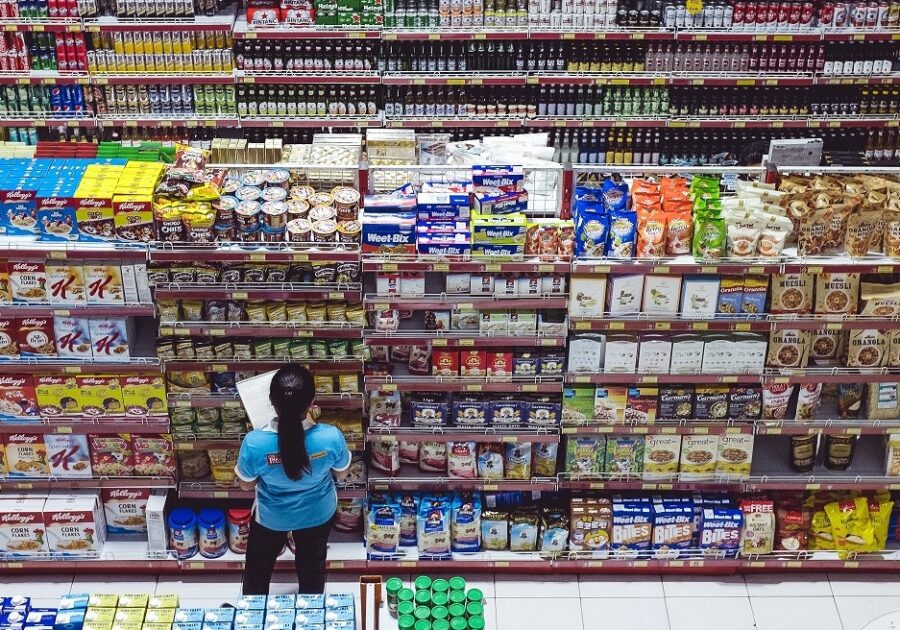
An insightful toolkit for assisting retailers make the most of new High Fast Salt & Sugar (HFSS) rules has been released, as manufacturers, including those within confectionery, seek to make the most of a triple peak of Halloween, World Cup and Christmas trading, writes Neill Barston.
The new ‘Store of the Future’ guide, produced by pallets, crates and containers and specialist CHEP UK & Ireland has been devised to help the industry to adapt, amid a period of considerable challenges including high inflation rates and increased production costs for many businesses.
Since October 1, store layouts in the UK have been impacted by significant restrictions, including HFSS-impacted products no longer being displayed at prominent store locations. The ‘Store of the Future’ toolkit results from six months of conversation with industry leaders who have provided feedback in response to a virtual supermarket representing a possibility of what a store may look like post-October. Roundtables in partnership with POPAI, the trade association dedicated to enhancing the shopper experience, were attended by the likes of Coca-Cola, Britvic and Dufry.
As CHEP noted, there are five tools underpinned by fifteen recommendations provide manufacturers and retailers with ideas about how they can transform and adapt store layouts to maximise promotional space and opportunities. The tools are: Use modular for stock displays; Win the in-fixture battle; Go packaging-free; Get creative with digital displays; and Rethink products and locations, using its new tool.
CHEP UK&I Store Solutions Category Manager Sean Field says: “We’ve visited over 150 stores in the past sixteen weeks to explore how CHEP can support the industry to transform to the new store layout requirements. Most FMCG manufacturers and retailers accept that more can be achieved beyond recent initial trials. The industry toolkit fills a gap and puts forward recommendations to support the evolution process in stores – whether on gondola ends or in the aisles, or HFSS compliant or non-compliant products.
“The forthcoming compression of big-ticket events, including World Cup 2022, is an opportunity to gather data on approaches and shape the long-term future of store layouts. More importantly, this data may guide how the toolkit recommendations can be applied successfully.
“So, when considering how to win the in-fixture battle, the next three months of customer behaviour may help to define the blend of toolkit recommendations that manufacturers and retailers use. For instance, the extent to which AI-based digital displays should engage shoppers in balance with eye-catching pre-filled displays that could be switched around the store according to the time of day.”
Retail and brand industry influencers present at the CHEP roundtable, supported by POPAI, included Bryan Roberts, Analyst, Retail Cities, who said: “Many of the recommendations in the toolkit reflect the trends and patterns I’ve seen on the continent. Differentiation and putting clear blue water between the competition is the name of the game. Aisles are more adventurous. Displays are more creative with touches like straw and wooden crates for natural produce. Europe shows that profitability does not have to be boring.
