
Swiss biscuit manufacturing delivers sales growth, yet concerns remain over exports
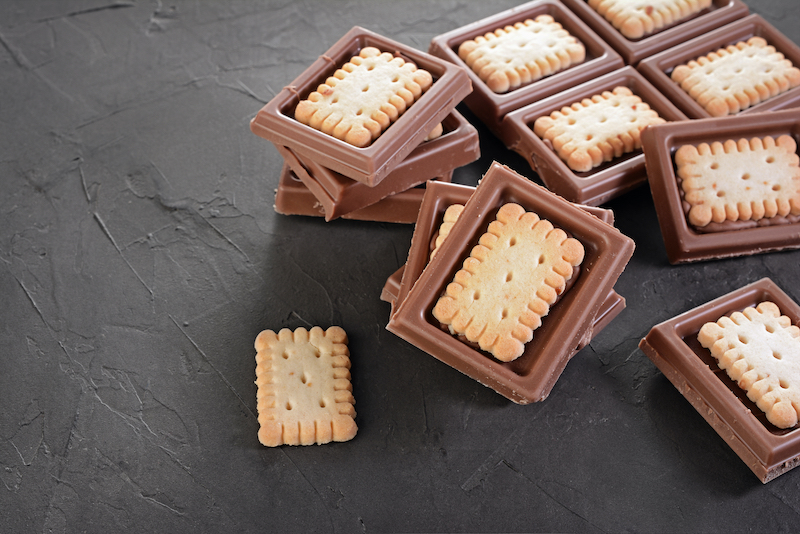
Milka biscuits. Pic: Shutterstock
Sales volumes of Swiss biscuits increased by a total of 7% last year, despite ongoing pandemic challenges, according to latest trade association figures from Biscosuisse, reports Neill Barston.
This amounted to a total of 45,644 tonnes sold for the past twelve months, amid a wider backdrop of Covid-19 production issues, impacting widely across supply chains within the sector and related industries.
As Biscosuisse noted, there had been a notable decline in both exports and imports during 2020, but the market has steadily improved over the past year, and is now considered stable amid a challenging wider market.
Significantly, turnover also increased for the market by 8.7% (totalling CHF495 million, though concerns remained that exports of Swiss products remained 40% lower, compared with results from a decade ago.
Within Swiss domestic markets, the total volume of sales of Swiss biscuit and rusk products increased by 6.7%, with the division’s turnover increasing by 7.9%. Cookies, with a slice of more than 50% of total production, constituted the main category of products. In 2021, Swiss biscuit manufacturers continued to face strong import pressure. Over the past two years (since 2019), imports of foreign-made biscuits have increased by approx. 15%.
Resumption of exports
The turnover relating to the export of biscuit and biscuit products manufactured by the declaring companies of Biscosuisse increased by 12.8%; the corresponding volume increased by 7.9%.
Having expanded again in 2021, the list of destinations for Swiss biscuit exports included 75 countries in 2021 (62 in 2020 and 70 in 2019). At the top of these destinations was Germany again, followed by France, the United States and Saudi Arabia.
In conclusion, the organisation acknowledged that In 2021, Swiss manufacturers of biscuit and rusk products maintained their position in a difficult environment, marked, in addition to the pandemic, in particular by an increase in the cost of raw materials raw. Consequently, the price and availability of materials raw materials and packaging materials continue to pose significant challenges.
Organisations
