
Mars Wrigley UK makes major reduction in packaging and plastic use across its operations
pic: Shutterstock
Mars Wrigley UK has made further environmental performance gains in reducing 142-tonne reduction in packaging across its Easter Eggs, meaning 97% of its seasonal portfolio was plastic-free, writes Neill Barston.
According to the business, six tonnes of plastic has been removed from its operations, which form part of its wider drive for enhancing its sustainability measures across company activities.
Its latest move builds on an initiative to remove the plastic trays from Large Eggs, accounting for a 270-tonnes plastic reduction, a significant amount of the seasonal range’s plastic output. This was followed by 86 tonnes of plastic removed from its XL Eggs and Giant Eggs portfolio in 2021 – resulting in a total 504 tonnes of packaging and plastic reduced over the past three years.
Adam Grant, General Manager, Mars Wrigley UK, said: “In the world we want tomorrow, the planet is healthy – which is why we’re taking meaningful action to redesign our packaging portfolio to make it more sustainable. Today’s announcement that 97% of our Easter Egg portfolio in the UK is now plastic free, after the removal of hundreds of tonnes of plastic since 2020, represents our commitment to creating a more sustainable tomorrow and our efforts won’t stop here.”
By redesigning the packaging that Mars Wrigley UK uses to protect delicate Easter eggs as they are transported to shops and into hands across the nation, the business has been able to take another step forward towards Mars Incorporated’s global goal to develop packaging that is 100% reusable, recyclable or compostable.
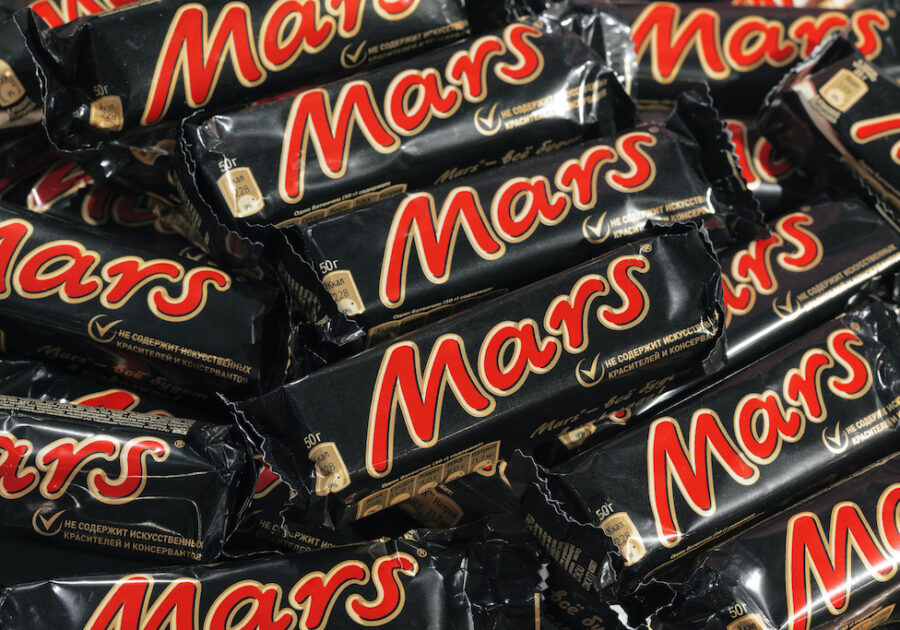
As the company concluded, its latest efforts are part of Mars’ commitment to achieve net zero greenhouse gas emissions across its full value chain by 2050. The company has already taken tangible action towards this goal, with all Mars bars sold in the UK, Ireland, and Canada to be certified as carbon neutral by 2023.
The business will work with an independent auditor to certify the Mars bar as carbon neutral and will be adhering to the PAS 2060 standard for carbon neutrality, which provides radical transparency and is widely considered to be the leading standard of carbon neutral specification.
