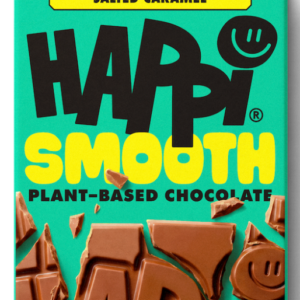
Guest comment: Chocolate manufacturers have golden opportunity to expand in non-dairy

pic: Shutterstock
In our latest guest blog, Rabbi Moshe Elefant, CEO of New York-based OU Kosher and Jewish legal scholar, who oversees the certification and monthly inspection of 13,000 plants in 105 countries, cast an eye over how chocolate manufacturers can deliver non diary offerings.
Chocolate manufacturers have a growth opportunity sitting in plain sight: consumers who want chocolate – but only if it doesn’t contain milk powder, whey or any of the other dairy ingredients that are used in milk chocolate and even some dark chocolates.
That consumer segment includes the increasing number of vegans and those with dairy allergies or intolerances, including the more than one-third of Americans and about two-thirds of the global population struggling with lactose intolerance.
The global dairy alternatives market is projected to grow from $41.75 billion in 2026 to $117.64 billion by 2034. The dairy-free chocolate slice of that market is seeing a compound annual growth rate of 8 percent, heading toward $6.3 billion by 2035. This extended shift is looking less like a passing trend and more like a lasting change in how people shop.
Market demand makes it clear why many chocolate manufacturers are adding non-dairy products to their offerings, turning dairy products into non-dairy ones, or considering making the change. At the same time, chocolate manufacturers face some obstacles as they move toward more non-dairy products. In addition to needing to change product ingredients, they also face specific difficulties when it comes to cleaning their manufacturing equipment.
How Kosher Certification Agencies Can Help Companies Transition to Non-Dairy Products
One source of guidance for changing ingredients and adjusting manufacturing processes is kosher-certification agencies, like the Orthodox Union, that ensure products adhere to religious-based food restrictions.
Kosher dietary laws originate in the Bible and prohibit the consumption of certain foods (such as pork and shellfish), establish specific requirements for animal slaughter, and – most relevant for non-dairy chocolate – mandate that meat and dairy foods cannot be eaten together. The kosher certification process requires clarifying whether foods contain any trace of meat or dairy, and conveying that to the consumer. Kosher-certified foods that contain dairy have a “D” next to the certification symbol on the package, while those that don’t contain either meat or dairy display only the certification symbol.
The symbols are increasingly appealing to vegan and vegetarian consumers, as well as those with allergies. Such a symbol on chocolate can help consumers immediately understand that it does not contain dairy. Indeed, sales of kosher products sell an average 20 percent more than their non-certified equivalents because of their appeal to a broad range of shoppers, such as health-conscious consumers and those seeking plant-based foods. More than 12 million U.S. consumers buy kosher-certified products every year, with the steadily growing kosher food market far outnumbering the observant Jewish population.
Finding substitute ingredients
Kosher certification agencies can help chocolate manufacturers find suitable substitute ingredients that will ensure their products are dairy-free and have the certification symbol to prove it.
In order for a product to be certified as kosher, all the ingredients must be kosher. To help facilitate this, the Orthodox Union maintains an ingredients database with information on millions of kosher-approved ingredients and products. If chocolate manufacturers need to replace a dairy ingredient, this database makes it easy for them to check if the substitutes they are considering are both kosher and certified as non-dairy.
For instance, one large chocolate manufacturer recently created a dairy-free version of a popular product after removing a milk chocolate paste and creating a dairy-free paste to use instead, then testing and refining the formula at their R&D centre.
Ensuring dairy-free manufacturing
Though ensuring that all ingredients are dairy-free is a critical step toward making sure the product can be certified dairy-free, it’s not the only stage in the process. The manufacturing process at each facility also needs to be certified as dairy-free, to ensure that no traces of dairy from other products could have made their way into the food, either by accident or through rework, when food products recovered from a dairy product line could potentially be reprocessed on the dairy-free line.
While the manufacturing process is monitored for all kosher certifications, keeping the production of dairy and dairy-free products separate is particularly challenging for chocolate manufacturers because unlike at many other facilities, chocolate manufacturers typically minimize the use of water to clean the equipment between uses because chocolate and water don’t mix well. Moisture can cause a whitish film on the chocolate known as “sugar bloom.” This poses an obstacle because wet cleaning is both one of the primary ways to “kosherize” equipment for kosher certification and one of the most effective ways of removing allergens.
Chocolate manufacturers can solve these challenges by dedicating certain equipment to be used only for dairy-free products. Manufacturers can also opt for seasonal production of certain dairy-free products, allowing them to create large batches at once without having to clean the equipment after each run. Kosher-certification agencies can help advise on the best ways to do this for each facility.
For chocolate manufacturers, dairy-free products may require reformulation and careful monitoring of the manufacturing process, but the payoff is a larger consumer base of chocolate lovers who can buy with the confidence that they can satisfy their dietary or health requirements and their chocolate cravings at the same time.