
FDF calls on government to re-evaluate product nutritional profiling
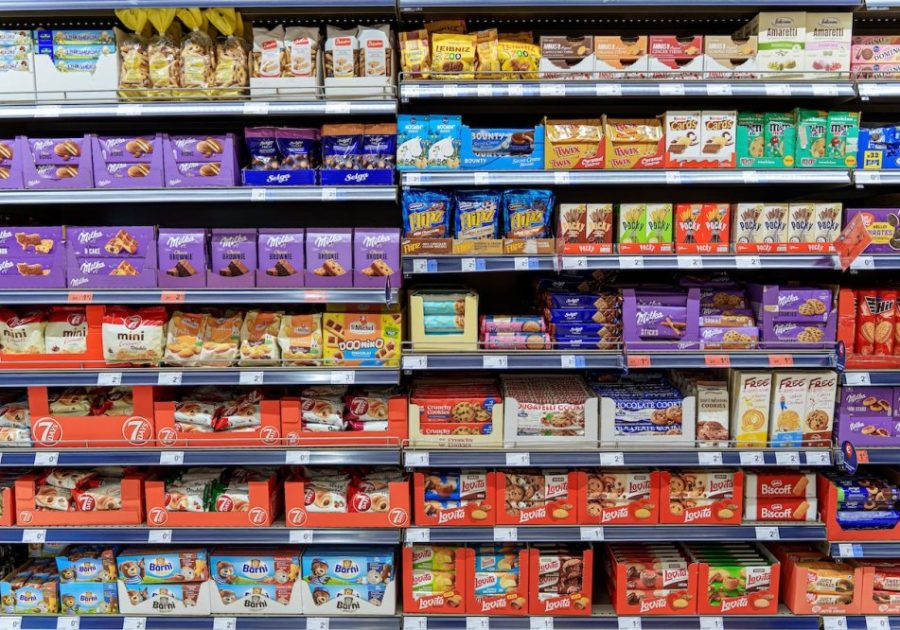
Manufacturers are showing a positive direction of travel for salt and sugar reduction, says the Food and Drink Federation. Pic: Adobestock
The UK’s Food and Drink Federation (FDF) is calling on government to re-evaluate plans to revise product nutritional evaluation, as it highlights key strides being made in industry reformulation, reports Neill Barston.
Against a backdrop of consumers seeking healthier options, the organisation’s latest research has found that its members products are now said to contribute 18% less salt, 19% cuts in sugar and 17% fewer calorie on British supermarket shelves compared against 2021 results.
As Confectionery Production has previously reported, the confectionery and snacks sector was challenged with reducing sugar in product ranges by 20% under Public Health England guidelines.
The drive came in response to an obesity crisis in the UK, with just under 20% of 11-15 year-olds considered to be clinically obese, and two thirds of British adults being considered overweight, with some 64,000 annual deaths in the region linked to obesity.
Significantly, the confectionery sector had in fact failed to meet those limits, and as NGO organisations such as Action on Sugar noted, the sector in fact failed over the course of several years prior to the pandemic to reach that goal – with results actually revealing that some categories, including chocolate, actually marginally increased sugar levels in product ranges, rather than cutting volumes.
Notably, figures for confectionery were unavailable with the FDF’s latest research, but the organisation asserted that branded food and drink is becoming healthier.
The topic of sustainability within the confectionery sector – including its part in the food industry’s dietary requirements and recommendations for consumers, will be among many topics at this year’s World Confectionery Conference event in London on 10 September. Registration is now fully open for the event, as it prepares to be staged in its fifth live iteration.
According to the FDF, it stated that on the scale that government uses to give products a ‘health score’, the group’s member products have improved by over a tenth (13%) in the last five years.
However, the organisation expressed concerns that current plans to change this score puts industry’s positive progress at jeopardy by disincentivising investment in new, healthier products.
Notably, the sector has already been grappling with recently introduced High Fat, Salt and Sugar (HFFS) regulations produced in 2022 that ban the positioning of products in the category in prime check-out aisle positions, which campaigners had argued, was fuelling levels of obesity.
Consequently, the FDF has made a call on the government to act on their commitment to introduce mandatory reporting of healthier food sales across the sector to incentivise companies to develop more, healthier options for shoppers.
Since 2021, the nutritional profile modelling (NPM) score of FDF members’ products has improved by 13%. The Government’s NPM – Nutrient Profiling Model – gives every food or drink a score, with a lower score indicating a healthier product.
FDF’s latest Shaping a Healthier Future report highlights that this progress is thanks to decades of innovation and investment from food and drink manufacturers developing new healthier options for shoppers.
As well as providing a range of healthy staples that support balanced diets, from tinned and frozen vegetables to oats and grains, food manufacturers have invested millions in developing new products, and adapting existing well-loved recipes to reduce salt, sugar and calories and add portions of fruit, vegetables and fibre.
While the FDF has highlighted success in some areas of food manufacturing, there has been less evidence for positive results in relation to the confectionery, snacking and bakery sectors. Indeed, as our title has reported, high profile attempts from manufacturers including Cadbury (including its 30% sugar reduced bar), have met with limited progress, and seen ranges removed from shelves.
Another high-profile flop in sugar reduction was witnessed with Nestle’s “Wowsome” bars, which were also withdrawn after limited popularity among consumers.
However, the FDF observed progress in other sectors, including Kellogg’s with its all bran, Danone UK and Ireland reducing sugar by 9% in its range, and Premier Foods launched Mr Kipling Delicious & Light. This was the first full range of cakes to meet government’s healthier eating guidelines.
Industry studies
The FDF cited studies from Nesta research institution that asserted that simple swaps to healthier ranges could potentially halve obesity within five years in the UK.
Consequently, the organisation claimed that instead of seeking to amend profile modelling, it should bring forward proposals to make reporting of healthier food sales data mandatory across the sector. As the FDF observered, this would require firms to publish standardised, consistent data, creating a transparent way of measuring progress towards healthier diets across companies and sales, which it says would be a world first.
Commenting on the situation, Kate Halliwell, Chief Scientific Officer, The Food and Drink Federation (FDF), said: “Food and drink manufacturers are committed to supporting consumers make healthier choices which will help improve diets. They’ve invested hundreds of millions of pounds over many years in changing products that shoppers know and love to make them healthier as well as appealing to shoppers. And this latest data shows that tremendous positive progress continues to be made.
“Now we need government support to take it to the next level. Maintaining a stable regulatory environment will give businesses the confidence they need to keep making investments in the development of healthier products,” adding that mandatory food sales would help incentivise businesses to further their efforts in regards to reformulation.
People
