Cargill study finds 70% of European consumers consider sustainability in chocolate purchases
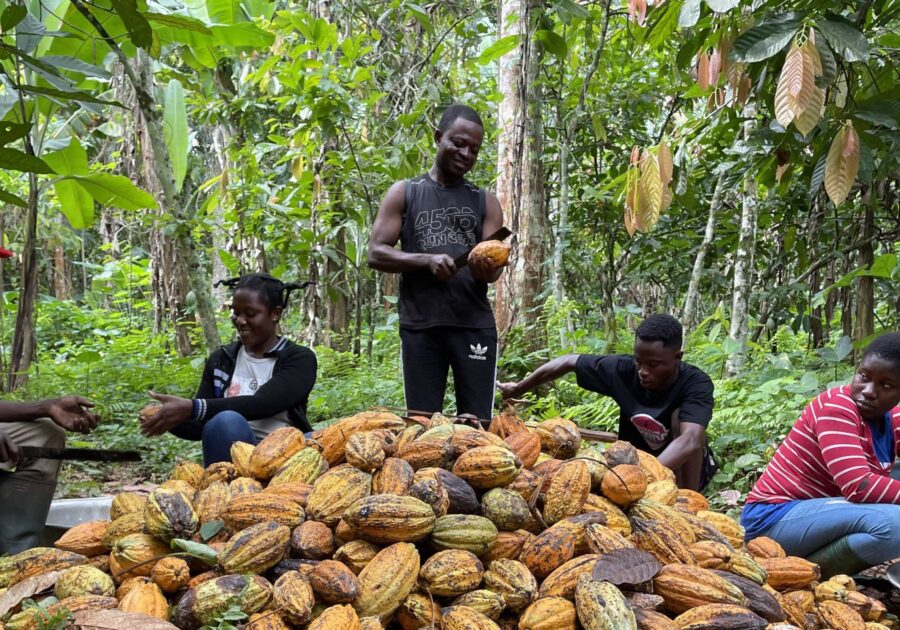
Latest research from Cargill has found that 70% of consumers in Europe are now basing their chocolate purchasing habits at least partially on sustainable sourcing factors, reports Neill Barston.
The study, which sought the view of 9,000 people across the continent, come amid a notably critical point for the cocoa sector, which is facing multiple pressures in core markets in Ghana and Ivory Coast, with markedly higher fertiliser costs, fluctuating crop prices and lingering impact of the pandemic and broader cost of living crisis all combining to place major strain on supply chains.
As Confectionery Production has previously covered, industry majors including Cargill, Barry Callebaut, Nestle and Mars have all devised their own support packages addressing child labour and deforestation affecting agricultural communities, as well as signing up to the Cocoa and Forests Initiative alongside the region’s governments.
However, key concerns remain over sector studies revealing more than 1.5 million minors in the region remain exposed to the worst forms of child labour – which consumers have become increasingly aware of in recent years. This has undoubtedly impacted on driving the industry’s renewed focus on sustainability as a whole – leading to an upsurge in interest surrounding Fairtrade initiatives.
According to Cargill, among its latest consumer study findings identified some of European shoppers’ biggest concerns related to cocoa production, with child labour remaining the number one topic, followed closely by farmer pay and deforestation. These are all policy areas that the business has played a strong focus on with its CocoaWise strategy of engaging with key supply chain communities.
However, direct climate impacts emerged as rising considerations in this year’s study. Two climate-related factors, “mitigation of climate changes” and “reducing carbon footprints linked to cocoa production” rounded out consumers’ top five concerns, supplanting issues such as food security and traceability.
In another first, the Cargill survey found an across-the-board decline in perceived obstacles to purchasing cocoa and chocolate products labeled as sustainable. Still, barriers remain, especially around product variety and price, suggesting opportunities for brands to diversify their sustainable offerings.
“This research showcases how sustainability investments made in the first mile can create opportunities in the last mile,” said Hélène Dubus, Sustainability Marketing Manager for Cargill Cocoa & Chocolate EMEA.. “It’s an idea we’ve championed through our work connecting cocoa and chocolate customers with cocoa farmers, cooperatives and communities, and collaborating on initiatives that drive meaningful change. Together, we can future-proof the cocoa sector in ways that benefit all stakeholders, addressing challenges at origin, supporting customer’s sustainability commitments, and providing consumers with the sustainably sourced cocoa and chocolate products they desire.”
The Cargill survey, which took in views across 10 countries, also tracked sustainability’s increasing influence with European consumers. Seven in 10 (69%) factor sustainability into their cocoa and chocolate product purchase decisions, up three percentage points from similar research conducted in 2021. Further, most participants reported sustainability had become more important over the last year, with 70% citing “an increasing responsibility to protect the planet and human rights” as the top reason.
Those concerns extend to the brand level, with the majority of survey participants reporting that a brand’s commitment to sustainability has become more important in the past 12 months. Alongside those reputational advantages, Cargill tracked a consumer base willing to spend more for chocolate products labeled as sustainable. Two-thirds said they would pay higher prices for products with cocoa sustainability messaging, up six percentage points from 2021. An even higher percentage, 77%, found cocoa sustainability messaging on product packages appealing.
“Consumers are becoming more educated on the topic of sustainability, and as awareness grows, so too does their appetite for more sustainable products,” Dubus said. “Increasingly, investing in a more sustainable future is not only beneficial to cocoa farmers and their origin communities, but it also yields benefits for the brands that bring these in-demand products forward.”
People